Herman Melville: A Guide for New Readers
Melville is far more than Moby Dick. This guide explores his remarkable range, from South Seas adventures to enigmatic short fiction, and the extraordinary story of an author who died forgotten and was resurrected by later generations.
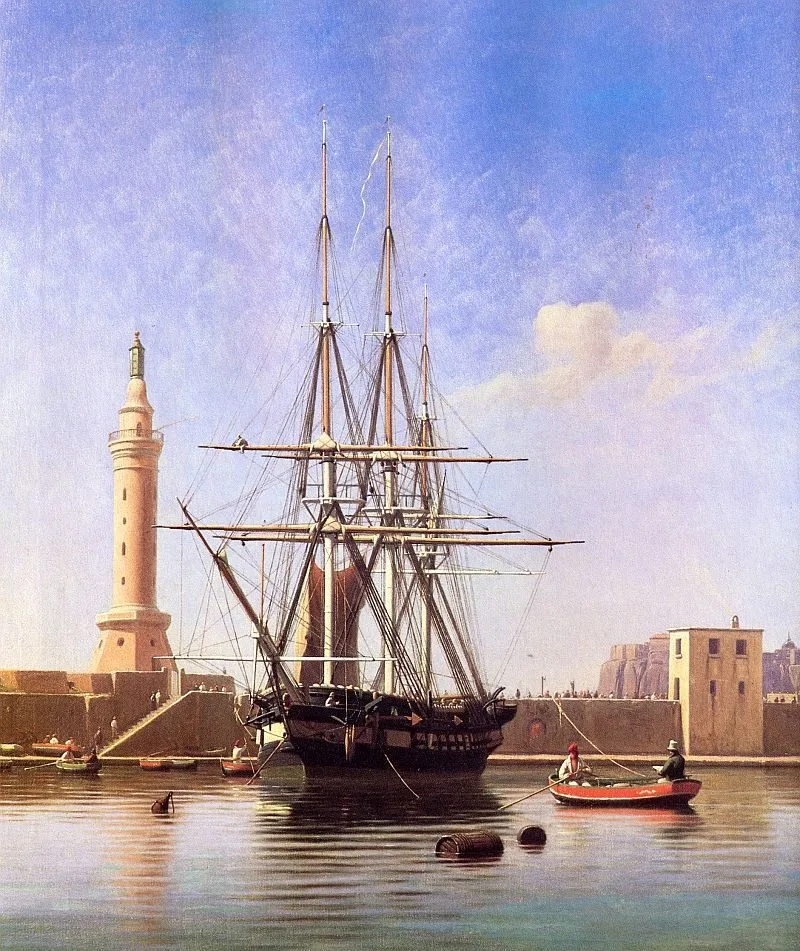
Herman Melville died in 1891 in near-total obscurity. His obituary in the New York Times misspelled the title of his most famous novel. Today, Moby-Dick is considered one of the greatest works of American literature, and Melville is recognized as a writer of extraordinary ambition and range. The gap between his lifetime reputation and his posthumous fame is one of the most dramatic stories in literary history, and understanding it changes how you read his work. Melville was not writing for his contemporaries; he was writing for us.
Where to Start: Not Necessarily Moby-Dick
While Moby-Dick is Melville's masterpiece, it is not always the best entry point. Its length, its digressions into cetology and philosophy, and its experimental structure can overwhelm unprepared readers. A better starting point is the short story Bartleby, the Scrivener (1853), one of the most haunting and enigmatic tales in American fiction. In fewer than 30 pages, it tells the story of a Wall Street copyist who gradually refuses to perform any task, responding to every request with the phrase "I would prefer not to." The story is darkly funny, deeply unsettling, and endlessly interpretable. It will tell you immediately whether Melville's voice speaks to you.
- Bartleby, the Scrivener — The ideal starting point. Short, accessible, unforgettable.
- Typee — Melville's first novel, a lively adventure based on his time among Polynesian islanders.
- Billy Budd, Sailor — His final work, published posthumously. A concentrated moral drama about innocence and law.
- Benito Cereno — A masterful novella about a slave revolt at sea, built on suspense and dramatic irony.
- Moby-Dick — The summit. Best approached after you have developed an appetite for Melville's style.
Failure in His Lifetime
Melville began his career with popular success. Typee (1846) and Omoo (1847), based on his adventures in the South Pacific, were bestsellers that established him as an exciting young voice in American letters. But with each successive book, Melville grew more ambitious and more difficult. Mardi (1849) bewildered readers with its philosophical allegory. Moby-Dick (1851), which Melville dedicated to Nathaniel Hawthorne, received mixed reviews and sold poorly. Pierre (1852), a dark psychological novel, was savaged by critics. By the mid-1850s, Melville could no longer support his family through writing. He took a job as a customs inspector at the New York docks and largely vanished from literary life for the last three decades of his life.
The Melville Revival
Melville's resurrection began in the 1920s, when scholars and writers rediscovered Moby-Dick and recognized its modernist qualities — its narrative experimentation, its philosophical depth, its refusal to offer easy meanings. Raymond Weaver's 1921 biography brought Melville back to public attention, and the publication of Billy Budd, found in manuscript after Melville's death, revealed that he had continued writing in obscurity. By the mid-twentieth century, Melville had been elevated to the first rank of American authors. The revival is itself instructive: it reminds us that literary greatness is not always recognized in its own time and that the canon is always being revised.
Billy Budd: The Final Testament
Billy Budd, Sailor was left unfinished at Melville's death and first published in 1924. It tells the story of a young sailor of angelic goodness who is falsely accused by the malevolent master-at-arms Claggart. When Billy strikes Claggart dead in a moment of frustrated innocence, Captain Vere must decide between natural justice and military law. The novella distills Melville's lifelong preoccupations — the conflict between innocence and evil, the inadequacy of human institutions, the inscrutability of fate — into their purest form. It is a fitting final work for an author who spent his career asking questions that resist answers.
For more context on the American literary tradition Melville helped define, see our guide to The Scarlet Letter by his friend Hawthorne, or explore the dark vision of another American original in our guide to Edgar Allan Poe.
