An Introduction to Gothic Literature
Gothic literature conjures shadowy castles, supernatural terrors, and the darker recesses of the human mind. From Walpole to Stoker, this guide traces the genre's origins and recommends its essential reading.
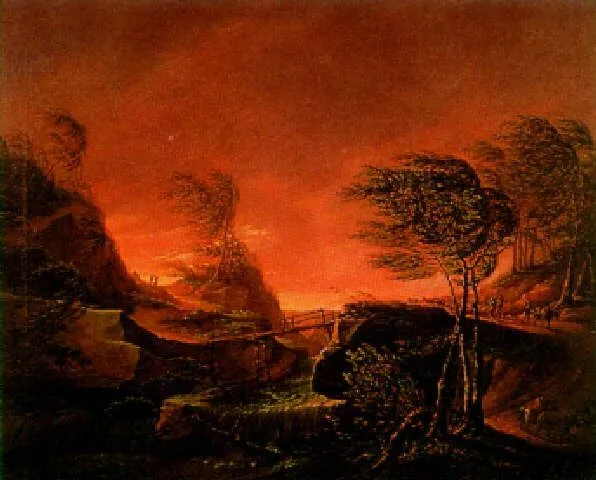
Gothic literature is one of the most enduring and influential traditions in Western fiction. Born in the eighteenth century as a reaction against Enlightenment rationalism, the Gothic embraced mystery, terror, and the supernatural, exploring the fears that reason could not dispel. Its influence stretches from the haunted castles of Ann Radcliffe to the psychological horror of modern fiction, and its essential texts remain thrilling reading today.
Origins: Walpole and the First Gothic Novel
The genre begins with Horace Walpole's The Castle of Otranto (1764), a short, feverish tale of a cursed Italian nobleman, a haunted castle, and a giant supernatural helmet that crashes into a courtyard. Walpole subtitled the second edition "A Gothic Story," giving the genre its name. The novel's medieval setting, atmosphere of dread, and supernatural machinery established the conventions that subsequent writers would develop and refine.
Key Features of Gothic Fiction
- Gloomy, atmospheric settings: ruined castles, abbeys, crypts, and wild landscapes
- Supernatural or seemingly supernatural events that create mystery and dread
- The distinction between terror (suspenseful anticipation) and horror (direct confrontation with the dreadful)
- Persecuted heroines or isolated protagonists trapped by circumstances beyond their control
- Themes of transgression, forbidden knowledge, and the return of the repressed past
- Villains who embody tyrannical power, often aristocratic or religious authority figures
The Great Gothic Novelists
Ann Radcliffe dominated the Gothic in the 1790s with novels like The Mysteries of Udolpho (1794) and The Italian (1797). Her technique of the "explained supernatural" — building terrifying atmospheres only to reveal rational causes — set a pattern that many successors followed. Matthew Lewis took the opposite approach in The Monk (1796), a sensational tale of lust, demonic pacts, and graphic violence that shocked contemporary readers.
Mary Shelley's Frankenstein (1818) transformed the Gothic by replacing supernatural horror with the terrors of science. Her novel about a creature assembled from dead flesh and brought to life by a reckless scientist remains a masterpiece of moral imagination, and it is often cited as the first work of science fiction as well as a high point of Gothic literature.
The Victorian Gothic
The Gothic evolved powerfully during the Victorian era. The Brontë sisters brought Gothic intensity to the realistic novel: Jane Eyre (1847) with its madwoman in the attic and Wuthering Heights (1847) with its spectral Cathy and the savage Heathcliff. Robert Louis Stevenson's Strange Case of Dr Jekyll and Mr Hyde (1886) turned the Gothic inward, making the human psyche itself the site of horror. Bram Stoker's Dracula (1897) gave the genre its most iconic monster and remains the definitive vampire novel.
Essential Gothic Reading List
- The Castle of Otranto by Horace Walpole (1764) — the founding text
- The Mysteries of Udolpho by Ann Radcliffe (1794) — the quintessential Gothic novel
- Frankenstein by Mary Shelley (1818) — science meets Gothic horror
- Wuthering Heights by Emily Brontë (1847) — the Gothic as passionate romance
- Dracula by Bram Stoker (1897) — the vampire novel to end all vampire novels
- The Turn of the Screw by Henry James (1898) — psychological ambiguity at its finest
The Gothic never truly disappeared. Its conventions were absorbed into horror fiction, detective stories, and the broader literary tradition. Whenever a novelist sets a story in a haunted house, creates an atmosphere of creeping dread, or explores the return of a buried past, they are drawing on a tradition that stretches back to Walpole's imaginary castle in Otranto.


