Jane Austen: A Guide for New Readers
Jane Austen's novels have captivated readers for over two centuries. If you're new to her work, here's everything you need to know to choose your first Austen novel and fall in love with it.
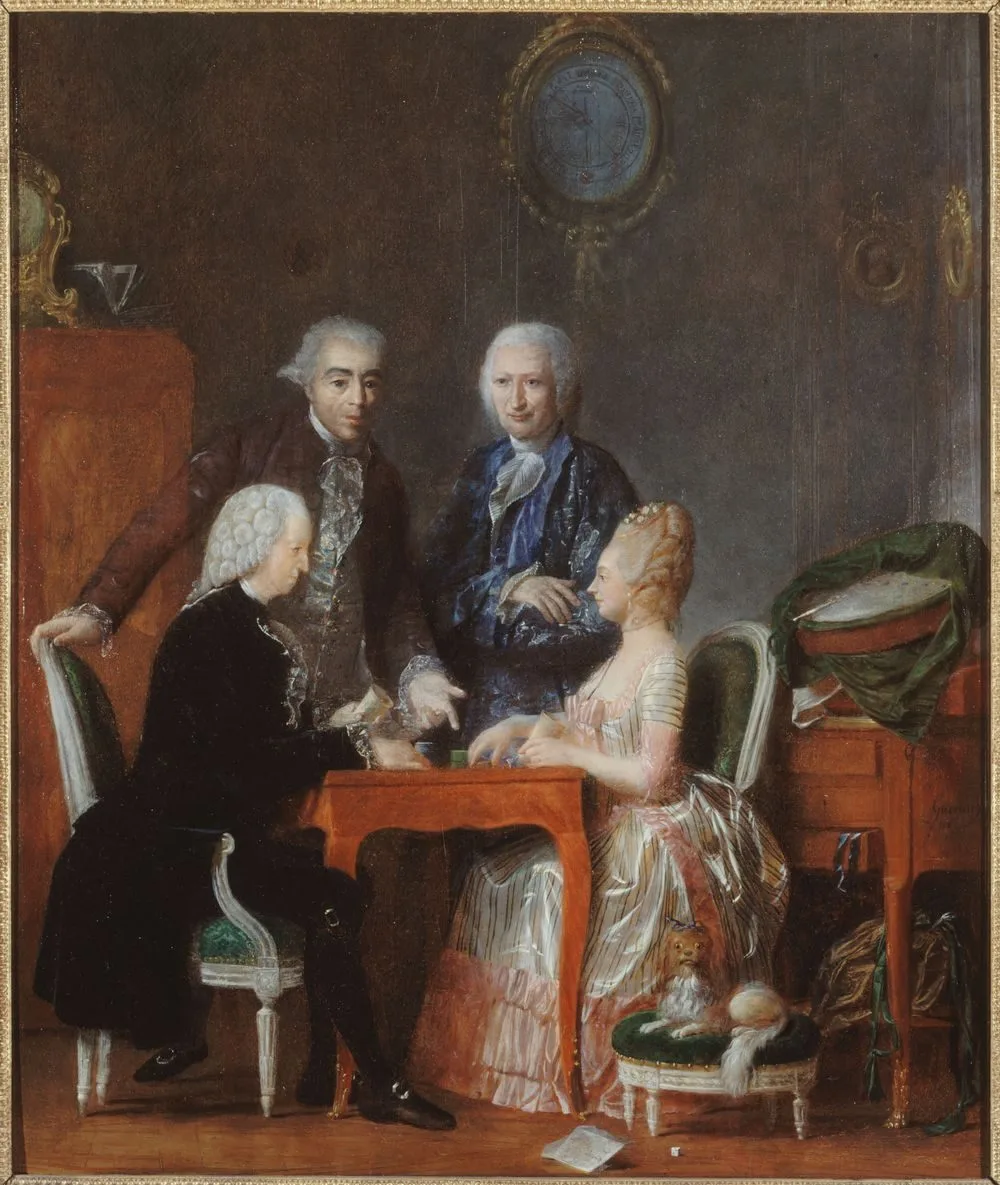
Jane Austen published six novels between 1811 and 1817, and every single one of them is still in print, still being adapted for film and television, and still inspiring fierce devotion among readers worldwide. That kind of endurance is extraordinary. But if you've never read Austen, the prospect of diving into early nineteenth-century English society can feel daunting. This guide will help you choose your first Austen novel, understand what makes her writing special, and get the most out of the experience.
Who Was Jane Austen?
Jane Austen was born in 1775 in Steventon, Hampshire, England. She was the seventh of eight children in a close-knit, literary family. She began writing as a teenager, producing sharp, witty stories that already showed her distinctive voice. She published her first novel, Sense and Sensibility, in 1811, followed by Pride and Prejudice in 1813. She published four novels during her lifetime and two more appeared posthumously in 1817. She died in July 1817, at the age of forty-one. Despite her relatively short life, she produced a body of work that fundamentally shaped the English novel.
What Makes Austen Special?
Austen's genius lies in her combination of razor-sharp social observation, psychological depth, and devastatingly dry wit. Her novels focus on the domestic world of the English gentry — marriages, inheritances, social visits, and the intricate dance of manners and propriety — but within that seemingly narrow world, she illuminates universal truths about human nature. Her characters are drawn with extraordinary precision: you've met people like Mr. Collins, like Mrs. Bennet, like Emma Woodhouse, even if they were wearing jeans instead of Regency gowns. And her prose style, with its layered irony and perfect comic timing, rewards rereading endlessly.
Where to Start: The Best First Austen Novel
The most commonly recommended starting point is Pride and Prejudice, and for good reason. It has the most immediately engaging plot, the most charismatic leads (Elizabeth Bennet and Mr. Darcy), and some of the sharpest wit in all of English literature. The story moves at a brisk pace by Austen's standards, and the central romance is deeply satisfying. If you read only one Austen novel, this should be it.
If romance isn't your primary interest, consider starting with Northanger Abbey. It's Austen's shortest completed novel, and it's essentially a comedy about a young woman whose love of Gothic novels gives her an overactive imagination. It's lighter and more overtly funny than the others, making it an accessible introduction to Austen's style.
A Guide to All Six Novels
- Sense and Sensibility (1811) — Two sisters with contrasting temperaments navigate love and loss. A study of how emotion and reason must balance each other.
- Pride and Prejudice (1813) — Elizabeth Bennet and Mr. Darcy overcome their mutual prejudices in one of literature's greatest love stories.
- Mansfield Park (1814) — Quiet, principled Fanny Price navigates the moral complexities of a wealthy household. Austen's most serious and controversial novel.
- Emma (1815) — Clever, wealthy Emma Woodhouse meddles in her neighbors' love lives with comically disastrous results. A brilliant character study.
- Northanger Abbey (1817) — Young Catherine Morland's Gothic novel obsession leads to comic misunderstandings. Austen's most playful and self-aware work.
- Persuasion (1817) — Anne Elliot gets a second chance at love with the man she was persuaded to reject years earlier. Austen's most mature and moving novel.
Tips for Reading Austen
Austen's prose style is often described as ironic, and this is the key to fully enjoying her work. She frequently says one thing and means another, or presents a character's self-deception without comment, trusting the reader to see through it. Pay attention not just to what characters say, but to the gap between what they say and what they actually mean. When Austen describes someone as "a sensible, intelligent young woman," she means it. When she describes someone as "not wholly without merit," she's being devastating.
Understanding the social context also enriches the experience. In Austen's world, a woman's financial security depended almost entirely on marriage. Estates were typically entailed to male heirs, meaning daughters could be left with very little. The seemingly endless discussions of income, property, and marital prospects aren't trivial — they're life-and-death matters for these characters. A brief introduction to Regency social conventions, which any good edition will provide, goes a long way.
After Austen: What to Read Next
If you enjoy Austen and want more, the natural next steps are her contemporaries and heirs. Elizabeth Gaskell's North and South brings Austen's social acuity to the industrial age. The Brontë sisters offer a more passionate, Gothic alternative — Charlotte's Jane Eyre is often read alongside Austen as its Romantic counterpart. And George Eliot's Middlemarch takes the domestic novel to epic, intellectually ambitious heights.
Jane Austen's novels are among the most rewarding experiences in all of literature. They're funny, wise, beautifully constructed, and endlessly quotable. If you've been hesitant to start, hesitate no longer — pick up Pride and Prejudice, give yourself a quiet afternoon, and discover why millions of readers across two centuries have fallen under her spell. Browse our catalog for beautifully designed editions that make the experience even more enjoyable.

