Social Class in Classic Literature
From Austen's genteel drawing rooms to Dickens's grimy workhouses and Fitzgerald's glittering parties, classic literature holds a mirror to the realities of social class. These stories reveal how wealth, birth, and status have shaped — and constrained — human lives for centuries.
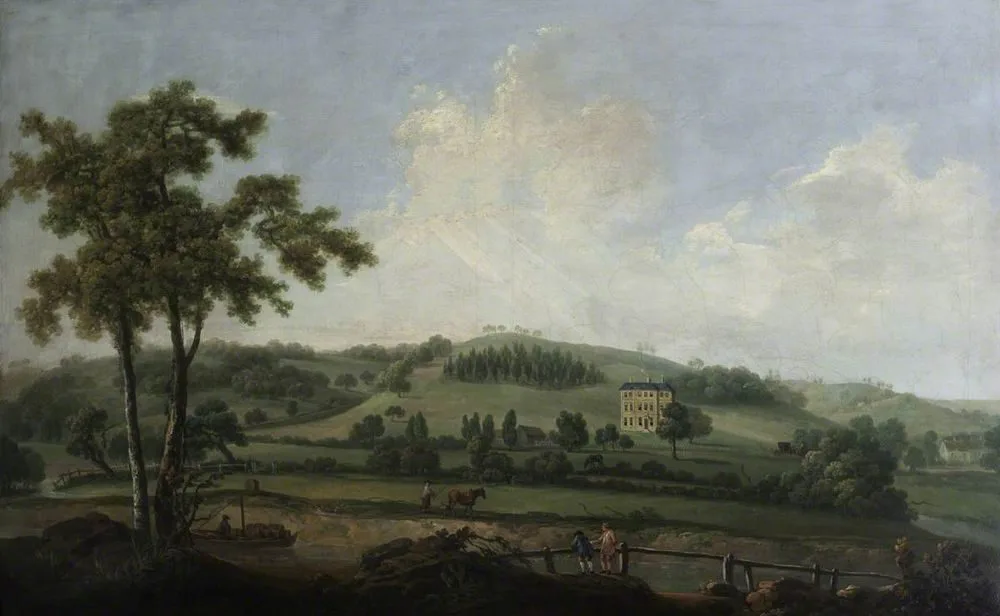
Social class has been one of the most persistent and provocative subjects in classic literature. Whether examining the rigid hierarchies of Regency England, the brutal inequalities of industrial London, or the illusions of the American Dream, the greatest novelists have used fiction to expose how class structures shape individual destiny. These works remain relevant because the tensions they describe — between wealth and poverty, privilege and merit, aspiration and reality — have never disappeared.
Austen and the Economics of Marriage
Jane Austen is sometimes mistakenly read as a writer of simple romances, but her novels are deeply engaged with the economics of class. In Pride and Prejudice, the Bennet sisters face a stark reality: without significant dowries, their futures depend on marrying well. Austen's comedy is sharpened by the knowledge that for women of her era, marriage was less a matter of love than of financial survival. Sense and Sensibility makes this even more explicit, as the Dashwood sisters are reduced to near-poverty by the laws of inheritance. Austen never preaches, but her novels make the class system's impact on personal freedom impossible to ignore. For more on how love and class intertwine, see our article on the theme of love in classic literature.
Dickens and the Industrial Underclass
No writer has chronicled the horrors of poverty with more energy and indignation than Charles Dickens. His novels are populated by orphans, debtors, and laborers ground down by an indifferent system. Oliver Twist exposes the cruelty of the workhouse and the criminal underworld that preys on the desperate. Bleak House indicts a legal system that enriches lawyers while destroying the people it claims to serve. Great Expectations adds a psychological dimension, as Pip discovers that wealth and gentility do not guarantee moral worth — and that his own snobbery has blinded him to the goodness of those beneath him on the social ladder. Dickens's influence on social reform was enormous, and his novels remain powerful arguments for compassion.
In a word, I was too cowardly to do what I knew to be right, as I had been too cowardly to avoid doing what I knew to be wrong.
Fitzgerald and the American Dream
F. Scott Fitzgerald's The Great Gatsby is the defining American novel about class aspiration and its discontents. Jay Gatsby reinvents himself from a poor Midwestern boy into a fabulously wealthy man, but his money cannot buy him entry into the old-money world of Tom and Daisy Buchanan. Fitzgerald exposes the hollowness at the center of the American Dream — the promise that anyone can rise to the top through hard work and determination. Gatsby's tragedy is not that he fails, but that the goal itself is an illusion. The green light at the end of Daisy's dock represents a future that can never be reached, no matter how much wealth one accumulates.
Class Across Cultures and Centuries
The theme of social class extends well beyond English and American literature. Tolstoy's Anna Karenina dissects the Russian aristocracy with surgical precision, revealing a world where appearances matter more than truth. Victor Hugo's Les Misérables contrasts the suffering of the French poor with the indifference of those in power. Thomas Hardy's Wessex novels follow characters whose ambitions are thwarted by the rigid expectations of rural English society. In each case, literature serves as both a record of class structures and a challenge to their legitimacy.
- Austen — class as the framework of courtship and marriage
- Dickens — poverty as systemic injustice
- Fitzgerald — the illusion of class mobility in America
- Tolstoy — aristocratic hypocrisy and moral reckoning
- Hardy — rural class boundaries and thwarted ambition


