Charles Dickens: A Guide for New Readers
Charles Dickens created some of the most memorable characters in literary history. Whether you're drawn to his humor, his social conscience, or his unforgettable stories, here's where to begin.
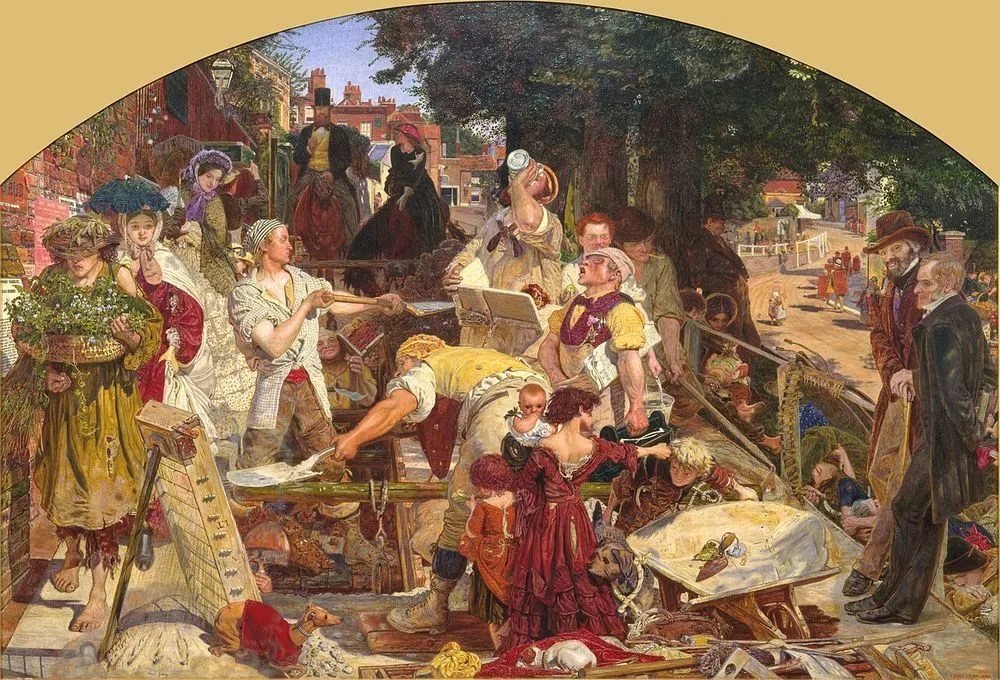
Charles Dickens is one of those authors whose name everyone knows but whose books many people have never actually read. That's a shame, because Dickens at his best is an extraordinary experience: wildly entertaining, deeply moving, socially passionate, and populated with characters so vivid they've become part of our cultural vocabulary. Scrooge, Oliver Twist, Miss Havisham, Uriah Heep — these names resonate even among people who've never opened a Dickens novel. If you're ready to discover the source, this guide will help you choose the right starting point.
Who Was Charles Dickens?
Charles John Huffam Dickens was born in 1812 in Portsmouth, England. His childhood was marked by a pivotal trauma: when he was twelve, his father was imprisoned for debt, and young Charles was sent to work in a boot-blacking factory. This experience of poverty and humiliation left an indelible mark on his writing and fueled his lifelong concern with social justice. He rose from these humble beginnings to become the most popular novelist of the Victorian era, publishing fifteen major novels, numerous short stories, essays, and journalism. He died in 1870, at the age of fifty-eight, leaving his final novel, The Mystery of Edwin Drood, unfinished.
What Makes Dickens Special?
Dickens had several gifts that, combined, make him unique in English literature. First, an unmatched ability to create characters. Even minor figures in Dickens novels are drawn with such sharp, exaggerated precision that they linger in your memory long after you finish the book. Second, a deep vein of comedy. Dickens is genuinely, laugh-out-loud funny — something that surprises readers who expect Victorian literature to be uniformly somber. Third, a social conscience that burns on every page. His novels exposed the cruelties of workhouses, debtors' prisons, the legal system, and industrial exploitation, and they helped change public opinion and policy. And finally, a gift for storytelling — intricate plots, dramatic twists, and emotional climaxes that kept Victorian readers (and keep modern ones) turning pages compulsively.
Where to Start: The Best First Dickens Novel
The best first Dickens novel depends on what you value most in fiction. Here are three excellent starting points:
Great Expectations is our top recommendation for most readers. It's one of Dickens's shorter major novels, has a tight, compelling plot, and features one of his most psychologically complex protagonists in Pip. The story of a poor boy who receives a mysterious fortune and must confront the difference between true goodness and social ambition is deeply engaging from start to finish.
A Christmas Carol is the perfect choice if you want to test the waters before committing to a full-length novel. At roughly 28,000 words, it can be read in a single sitting, and it showcases Dickens's humor, sentimentality, and moral passion in concentrated form. It's also one of the most influential stories ever written.
David Copperfield is the choice for readers who want the full Dickens experience. It's longer and more expansive, but it's also Dickens's most personal novel (he called it his "favourite child"), and its cast of characters is arguably his finest.
A Guide to the Major Novels
- The Pickwick Papers (1837) — Dickens's first novel. Episodic and comic, following the adventures of the genial Mr. Pickwick. Charming but uneven.
- Oliver Twist (1838) — A young orphan navigates London's criminal underworld. Melodramatic but powerful, with iconic characters like Fagin and the Artful Dodger.
- A Christmas Carol (1843) — The beloved story of Scrooge's redemption. Short, accessible, and endlessly rewarding.
- David Copperfield (1850) — A sweeping, semi-autobiographical coming-of-age story. Many readers consider it Dickens's masterpiece.
- Bleak House (1853) — A vast, ambitious novel centered on a never-ending legal case. Considered by many critics to be his greatest artistic achievement.
- A Tale of Two Cities (1859) — Set during the French Revolution. Tighter and more dramatic than most Dickens, with one of literature's most famous endings.
- Great Expectations (1861) — The ideal entry point. A beautifully structured story of ambition, guilt, and self-discovery.
Tips for Reading Dickens
Dickens originally published most of his novels in weekly or monthly serial installments, which explains some features of his style that can seem strange to modern readers: the frequent recaps, the cliffhanger chapter endings, the large casts of characters who appear and disappear. Understanding this helps. You don't need to read Dickens in a single sustained effort. In fact, reading a few chapters at a time, as his original audience did, can be the most natural and enjoyable approach.
If the length of Dickens's novels feels intimidating, remember that reading time varies enormously across his works. A Christmas Carol takes two to three hours; Great Expectations takes about twelve to fourteen. Start with something that matches your available time and build from there.
Dickens is one of those rare writers who can make you laugh, cry, and think within the space of a single chapter. His world is teeming with life, and his compassion for the vulnerable and the downtrodden gives his work a moral urgency that hasn't faded. Dive in, and you'll understand why he remains one of the most beloved storytellers in the English language.

