An Introduction to Romanticism in Literature
Romanticism was a revolution in thought and feeling that transformed Western literature. This guide introduces the movement's origins, key poets, and enduring themes.
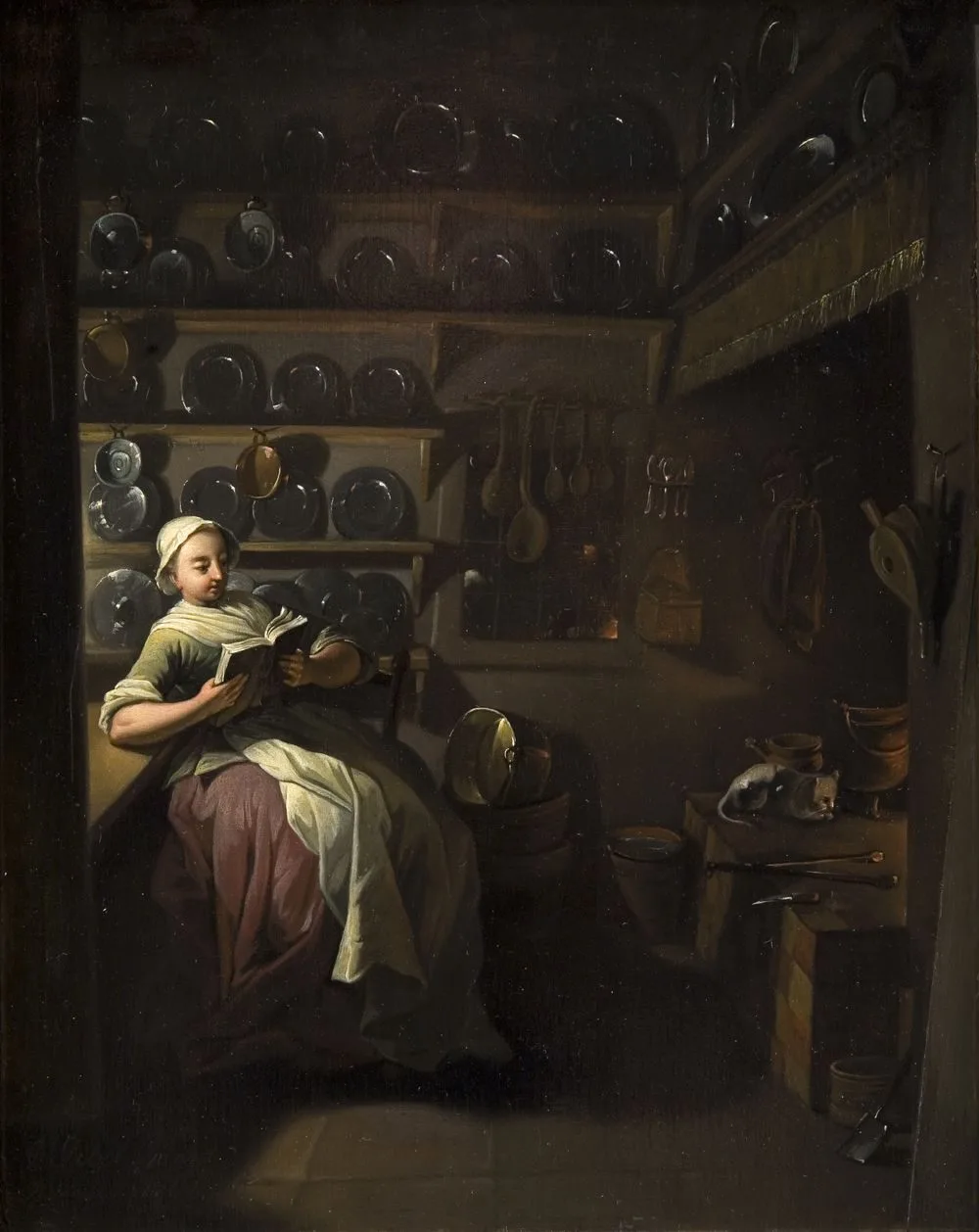
Romanticism was the great literary and intellectual revolution of the late eighteenth and early nineteenth centuries. Arising as a rebellion against the rationalism of the Enlightenment and the constraints of neoclassical art, it championed emotion, imagination, nature, and individual experience as the highest sources of truth. In Britain, it produced some of the most magnificent poetry in the English language and fundamentally changed how we think about art, nature, and the self.
Origins and Core Ideas
The Romantic movement had roots in the philosophical writings of Jean-Jacques Rousseau, who argued that civilization corrupted the natural goodness of humanity, and in the political upheaval of the French Revolution, which inspired hopes for radical social transformation. In literature, Romanticism defined itself against the Augustan poetry of the previous century, rejecting its formal elegance and social satire in favor of passionate self-expression, the exploration of extreme emotional states, and a near-mystical reverence for the natural world.
The First Generation: Wordsworth and Coleridge
The publication of Lyrical Ballads (1798) by William Wordsworth and Samuel Taylor Coleridge is often cited as the founding moment of English Romanticism. Wordsworth's preface to the second edition (1800) became the movement's manifesto, arguing that poetry should use the language of common speech and take as its subject the feelings of ordinary people in their relationship with nature. His great autobiographical poem The Prelude traces the growth of his own poetic mind through encounters with the natural landscape. Coleridge contributed poems of supernatural wonder, most famously The Rime of the Ancient Mariner and "Kubla Khan," as well as influential literary criticism.
The Second Generation: Shelley, Keats, and Byron
Percy Bysshe Shelley was the most politically radical of the Romantics, a fierce opponent of tyranny whose poetry ranges from the lyric beauty of "Ode to the West Wind" to the philosophical drama of Prometheus Unbound. John Keats, who died at twenty-five, produced in his brief career some of the most sensually beautiful poetry in English, including "Ode to a Nightingale" and "Ode on a Grecian Urn." Lord Byron was the era's celebrity, a charismatic aristocrat whose satirical masterpiece Don Juan and brooding verse tales made him the most famous poet in Europe.
Key Themes of Romanticism
- The primacy of emotion and imagination over reason and logic
- A profound reverence for nature as a source of spiritual renewal and moral truth
- The celebration of individualism, originality, and personal vision
- Interest in the supernatural, the exotic, and the medieval past
- A tension between idealism and disillusionment, especially after the failures of the French Revolution
- The figure of the poet as prophet, visionary, or outcast
Romanticism Beyond Britain
Romanticism was a European-wide phenomenon. In Germany, Goethe's The Sorrows of Young Werther and the fairy tales of the Brothers Grimm embodied Romantic ideals. In France, Victor Hugo championed Romanticism in both poetry and the novel. In America, the Transcendentalist movement — Emerson, Thoreau, Whitman — carried Romantic ideas about nature and individualism into a distinctly American context.
The Romantic movement formally gave way to Victorian literature and Realism, but its core convictions about the value of imagination, emotion, and individual experience have never disappeared. Every time a writer turns to nature for inspiration, celebrates the power of the creative imagination, or insists on the authority of personal feeling, the spirit of Romanticism is alive.
