An Introduction to Russian Literature
Russian literature is one of the richest traditions in world fiction, producing masterpieces of unrivaled depth and emotional power. This guide traces its development from Pushkin to Chekhov.
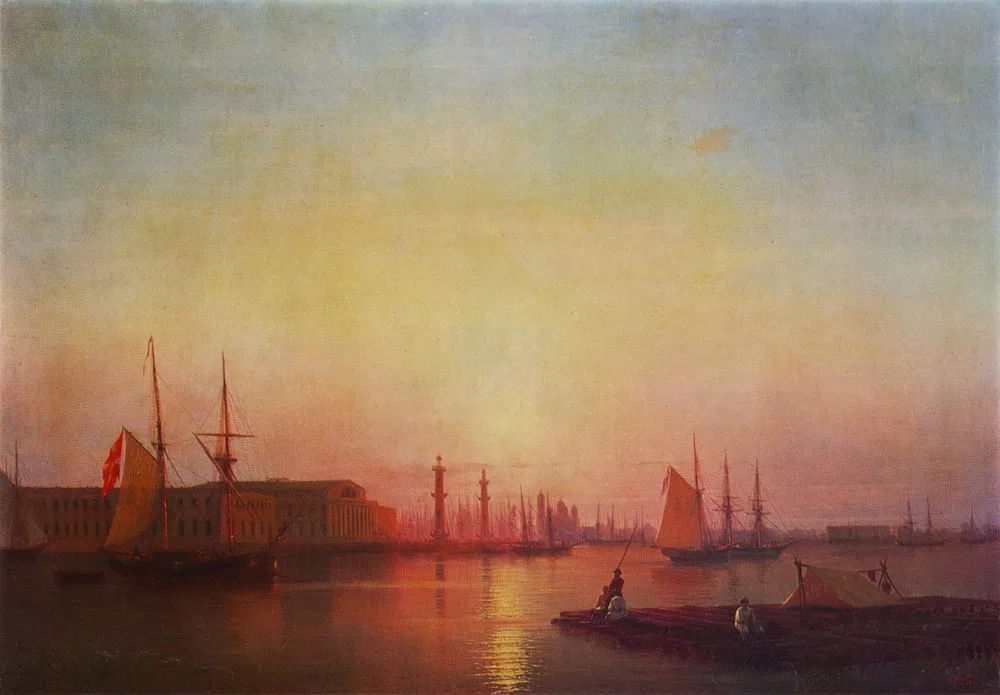
Russian literature is one of the great wonders of world culture. In barely a century, from the 1820s to the 1920s, it produced a concentration of genius — Pushkin, Gogol, Turgenev, Dostoevsky, Tolstoy, Chekhov — that rivals any tradition in literary history. Russian writers brought a unique combination of philosophical depth, emotional intensity, and moral seriousness to the novel and the short story, and their influence on Western literature has been immense.
The Golden Age: Pushkin and Gogol
Alexander Pushkin (1799-1837) is the founding father of modern Russian literature. His verse novel Eugene Onegin (1833) is a masterpiece of wit, irony, and psychological insight that established the literary language of Russia. Nikolai Gogol (1809-1852) followed with wildly inventive fiction that combined surreal humor with social satire. His novel Dead Souls (1842), about a schemer who buys the rights to deceased serfs, is one of the great comic novels, while his short story "The Overcoat" became a touchstone for all subsequent Russian fiction.
Turgenev and the Social Novel
Ivan Turgenev (1818-1883) was the first Russian novelist to gain a wide European readership. His masterpiece, Fathers and Sons (1862), dramatizes the generational conflict between liberal idealists of the 1840s and the nihilist radicals of the 1860s through the unforgettable character of Bazarov. Turgenev's elegantly crafted prose and his ability to capture social change through individual lives made him an important model for literary realism across Europe.
Dostoevsky: The Depths of the Soul
Fyodor Dostoevsky (1821-1881) is perhaps the most psychologically penetrating novelist who ever lived. His great novels — Crime and Punishment (1866), The Idiot (1869), Demons (1872), and The Brothers Karamazov (1880) — plunge into the darkest recesses of human consciousness: guilt, obsession, faith, doubt, and the capacity for both extreme cruelty and radical compassion. Dostoevsky's fiction is turbulent, intense, and philosophically profound, and it has influenced writers from Kafka to Camus.
Tolstoy: The Breadth of Life
If Dostoevsky explored the depths, Leo Tolstoy (1828-1910) encompassed the breadth of human experience. War and Peace (1869) is often called the greatest novel ever written: a vast panorama of Russian society during the Napoleonic Wars that moves seamlessly between intimate domestic scenes and epic battlefield sequences. Anna Karenina (1877) is a more focused masterpiece, tracing the intertwined stories of Anna's doomed passion and Levin's search for meaning. Tolstoy's later works, including the devastating novella The Death of Ivan Ilyich (1886), reflect his moral and spiritual crisis.
Chekhov and the Short Story
Anton Chekhov (1860-1904) revolutionized both the short story and the drama. His stories — "The Lady with the Dog," "Ward No. 6," "The Steppe" — reject conventional plotting in favor of mood, atmosphere, and the quiet revelation of character. Nothing dramatic seems to happen, yet everything essential is communicated through what is left unsaid. Chekhov's plays, including The Cherry Orchard and Three Sisters, employ the same technique of understated emotional depth and remain cornerstones of the theatrical repertoire.
For new readers approaching Russian literature, the best entry points are Dostoevsky's Crime and Punishment, Tolstoy's Anna Karenina, or a collection of Chekhov's stories. Each represents a different facet of the Russian literary genius, and each is a masterpiece that will reshape the way you think about fiction.
