Bleak House
Charles Dickens · first published 1853
The oldest surviving film of a Dickens character is a minute of this book, shot in 1901.
5 versions · 1901–1920
George Albert Smith’s The Death of Poor Joe runs about a minute and shows the crossing-sweeper dying in the snow. It is the earliest surviving film of any Dickens character, made thirty-one years after his death, and it takes the one scene the Victorians wept over most reliably.
Television has done better by the book than cinema, twice at length — the novel’s structure, two narrators and a plot that turns on a lawsuit nobody can end, is a serial by design. Dickens was writing in monthly parts; the BBC was only giving it back its original shape.
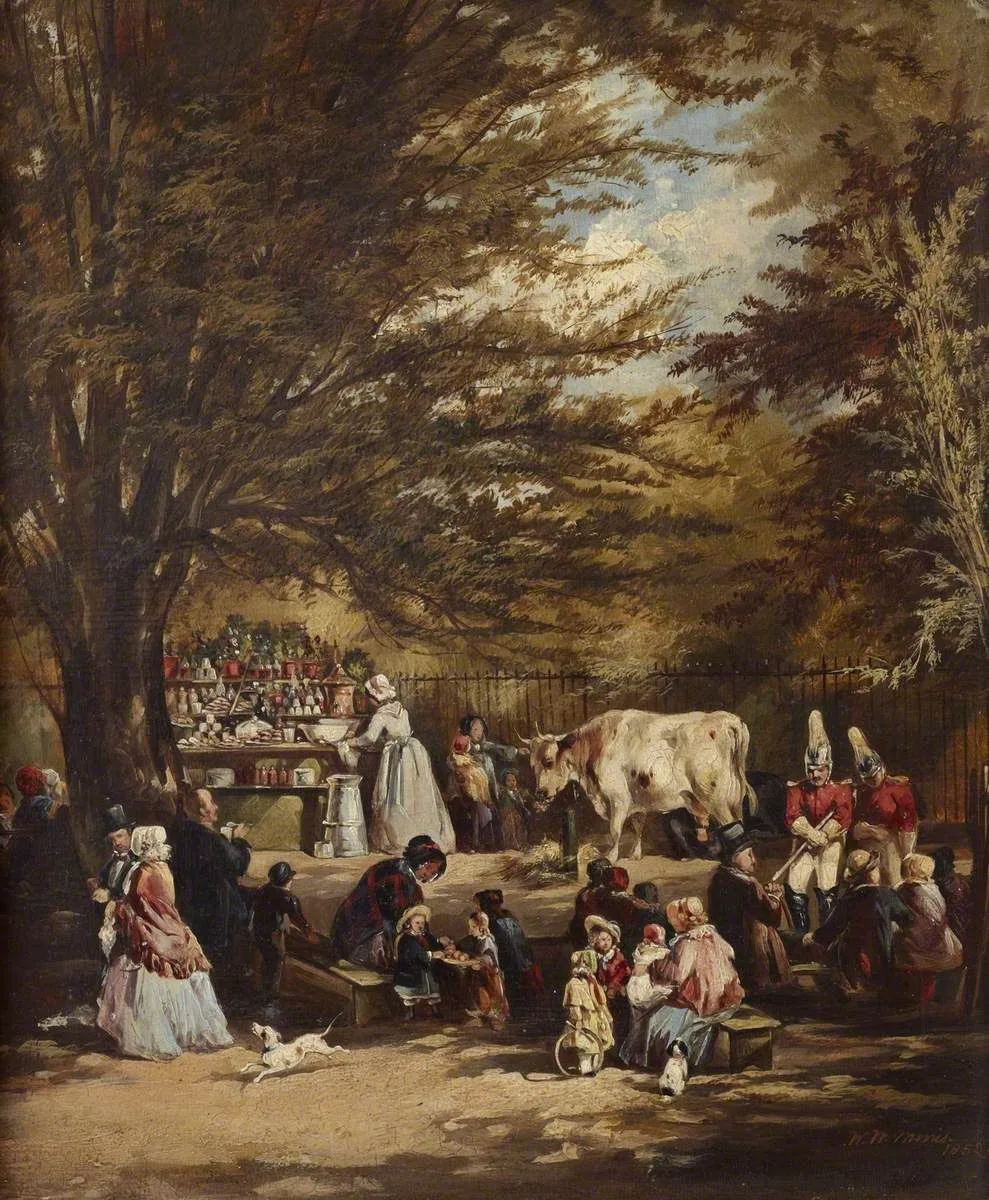
London, 1852–53
The Court of Chancery really did swallow estates whole in costs; cases ran for decades and there was public agitation to reform it, which came shortly afterwards. Dickens had worked as a legal clerk and knew precisely how the thing consumed people.
The other subject is the city itself. London had just been through cholera epidemics that killed tens of thousands, the connection to water was still being argued over, and the great sewer system was not yet built. The fog in the first chapter and the fever in the middle of the book are the same argument: what a city does to itself when nobody is responsible for anything.
On screen
5Film and television, earliest first.
- 1901 The Death of Poor Joe George Albert Smith
- 1920 Bleak House Maurice Elvey
- — Bleak House Justin Chadwick
- — Bleak House Ross Devenish
- — Bleak House
Versions are listed where they are documented. A century of stage productions and most broadcasts were never catalogued at all, so this is what can be shown rather than everything that was ever made.