The Secret Agent
Joseph Conrad · first published 1907
Hitchcock filmed it as Sabotage, and then regretted the one scene everybody remembers.
4 versions · 1937–1996
In Sabotage (1936) Hitchcock let a boy carry a bomb across London on a bus, and then let the bomb go off. He said afterwards it was a mistake — that an audience will not forgive you for the death of a child on screen — and never did anything like it again.
Conrad’s novel is about a man too lazy to be a good anarchist and too frightened to be a good spy, and it contains what may be the coldest irony in English fiction. Christopher Hampton filmed it again in 1996 with the irony intact and the audience mostly absent.
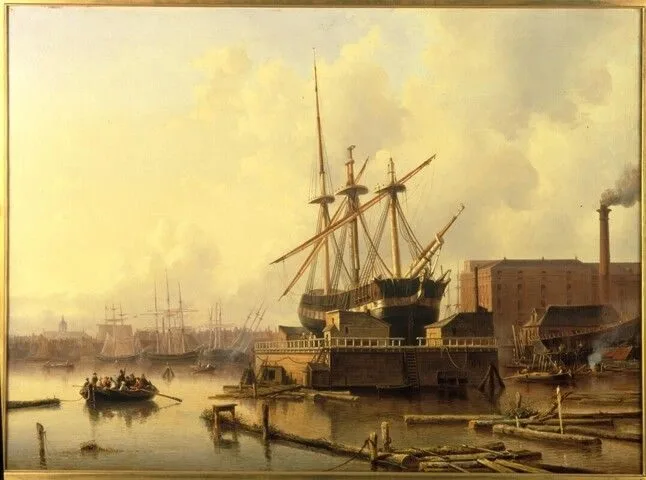
London, 1907 — from a bombing that made no sense
In 1894 a French anarchist blew himself up in Greenwich Park, apparently on his way to the Observatory. Nobody could explain what he had intended. Conrad took that pointlessness as his subject and built a novel around it in which the plot is instigated, in effect, by a foreign embassy that wants England frightened into repression.
It was written in a decade of real bombings and assassinations across Europe, and it is the coldest thing Conrad wrote: everyone in it is a fool, an informer or a functionary, and the one person destroyed is the only one who never had a political thought.
On screen
4Film and television, earliest first.
- 1937 Sabotage Alfred Hitchcock
- 1992 The Secret Agent
- 1996 The Secret Agent Christopher Hampton
- — The Secret Agent Charles McDougall
Versions are listed where they are documented. A century of stage productions and most broadcasts were never catalogued at all, so this is what can be shown rather than everything that was ever made.