Reading the Classics in Translation
A translated novel is a collaboration you did not agree to. Knowing what that means — and what it does not — is most of what a reader needs before starting Balzac, Tolstoy or Dumas in English.
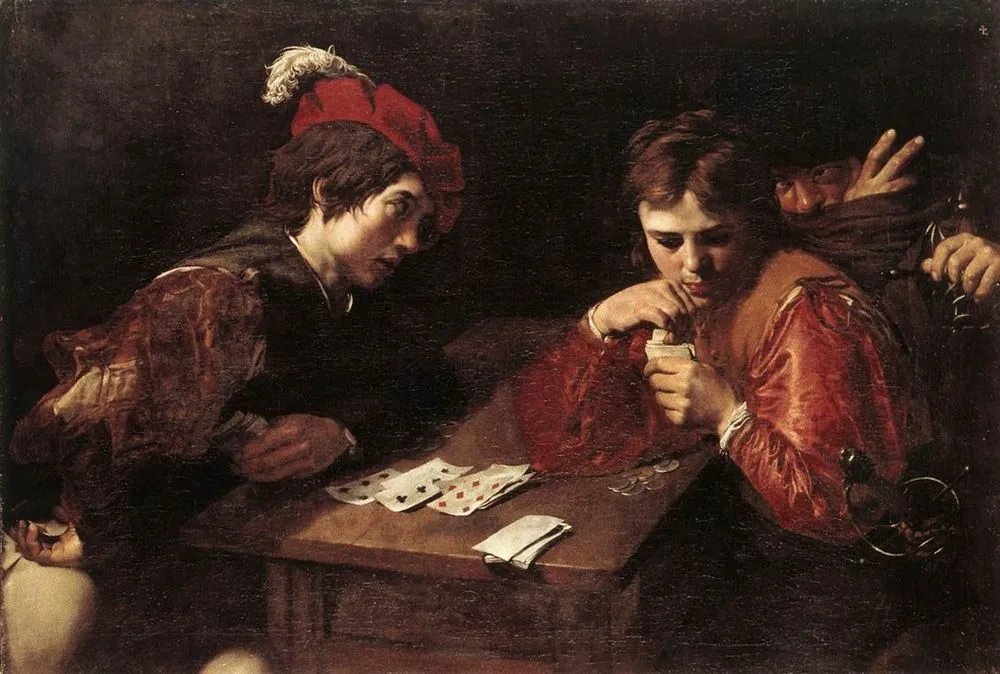
Every translated novel is a collaboration between two writers, one of whom you did not choose and probably cannot name. This unsettles some readers into avoiding translations altogether, which is a way of losing several centuries of literature to a scruple. It is worth being clear about what a translator actually changes, because it is both less and more than people assume.
What survives, and what does not
Plot survives translation completely. Character survives it almost completely. Structure, pacing, the architecture of a long book — all of it comes across. What does not come across intact is the surface: the rhythm of the sentences, the exact temperature of a word, the joke that lives in a vowel. In a novel of incident that costs little. In a novel whose whole effect is a voice, it costs a great deal, which is why some writers are said to travel badly.
The practical consequence is not despair. It is that a translated classic is best read for what it does well in any language, and that a reader who wants the voice of one particular writer should know they are hearing an interpretation of it.
Why versions differ so much
A translator makes thousands of small decisions with no correct answer, and the accumulation of those decisions is a style. One will keep a sentence long and strange because the author wrote it long and strange; another will break it, on the ground that the original did not feel strange to its first readers and should not feel strange now. Both are defensible, and the two books read nothing alike.
Older English translations of continental novels have a further quality worth knowing about: they were made for a public with different limits, and they can be discreet where the original is not. If a scene seems oddly brief, that is sometimes what happened to it.
Where to start, by temperament
If you want story above all, start with The Three Musketeers. Dumas wrote to be read at speed by people who would abandon him if he slowed down, and that discipline survives any translation.
If you want the machinery of a whole society, start with Balzac. He set out to write the private history of a nation and got a remarkable distance into it; his novels interlock, characters walk out of one and into another, and no single volume is a bad door.
If you want the inside of a person, start with Tolstoy — but not with the enormous ones. Childhood is a hundred pages on what it is to be nine years old and to notice everything, written by a man of twenty-three, and it tells you at once whether you want the rest.
If you want the short form at its sharpest, read Maupassant. The stories are brief, cold, and built like traps, and brevity is the friendliest thing a translated text can offer a new reader.
A note on names
Russian novels frighten people with their names, and the fear is misplaced. A character has a first name, a patronymic taken from the father, and a family name, and the narrator uses different combinations depending on the formality of the moment. It looks like four people. It is one person addressed by four kinds of acquaintance. Once that clicks — usually within thirty pages — it stops being an obstacle and becomes information about who is close to whom.
That last point matters more than it sounds. A reader is entitled to know whose English they are reading, and a house that quietly edited a translator's sentences would be publishing a third book, by nobody.

