
Childhood
The Autobiographical Trilogy, Book 1
by Leo Tolstoy 1828–1910
The book, and the century it came out of.
Translated by C. J. Hogarth
Ten-year-old Nikolenka is taken from the country to Moscow, and everything happens in the small print: the tutor’s temper, the hunt, his mother’s hands at the piano, the first lie he tells. Tolstoy published it at twenty-three, anonymously, from an artillery post in the Caucasus, and Nekrasov printed it immediately. Everything the mature novelist could do is already here in miniature. Illustrated with 58 full-page plates — paintings by Kokular, Tassaert and Kersting among them.
On the 12th of August, 18— (just three days after my tenth birthday, when I had been given such wonderful presents), I was awakened at seven o’clock in the morning by Karl Ivanitch slapping the wall close to my head with a fly-flap made of sugar paper and a stick.
Childhood, by Leo Tolstoy, complete and unabridged. Spelling and punctuation follow present-day American usage; the sentences, the paragraphs and the voice are the author’s, word for word.
It was written in another era and may carry attitudes a reader today will find dated. They are kept for the sake of the work and do not reflect the views of this house.
- Series
- Salon & Steppe
- Format
- Ebook
- Extent
- about 120 pages
- Reading time
- about 2 hours
- Illustrations
- Full-page plates, credited
- Text
- Complete, unabridged
- Translation
- C. J. Hogarth
- Language
- en
- This edition
- 2026
- ISBN
- 9785486703539
58 paintings are bound into this edition
Six of them are shown here, taken from the volume itself. Each is reproduced full page and named with its painter and year.
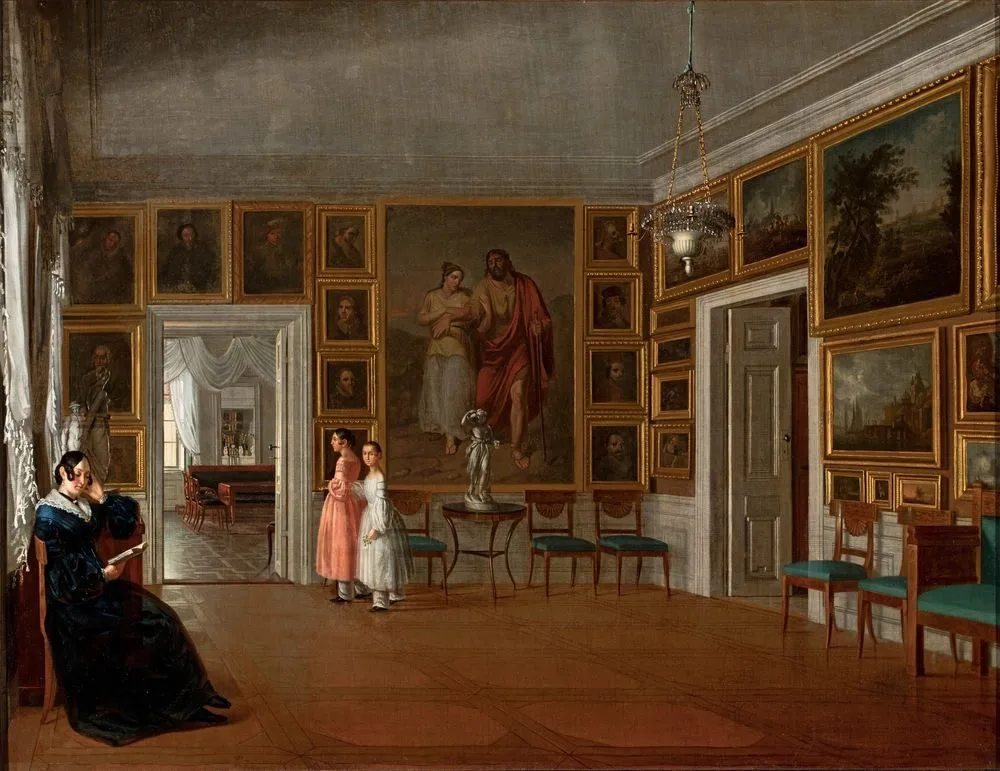
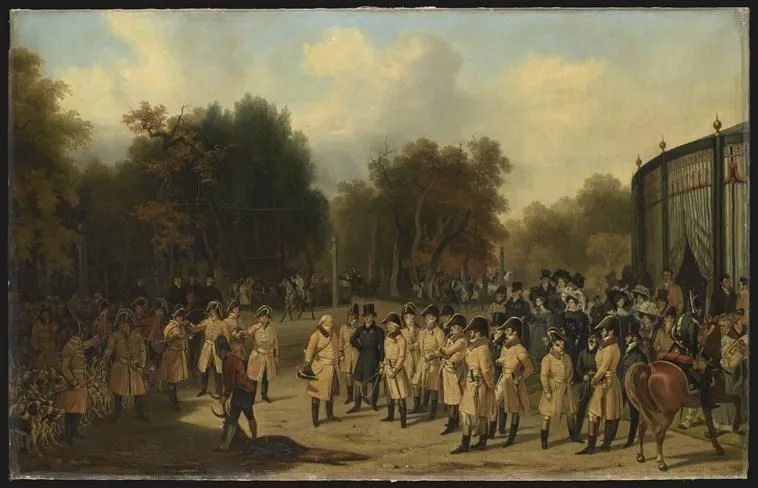
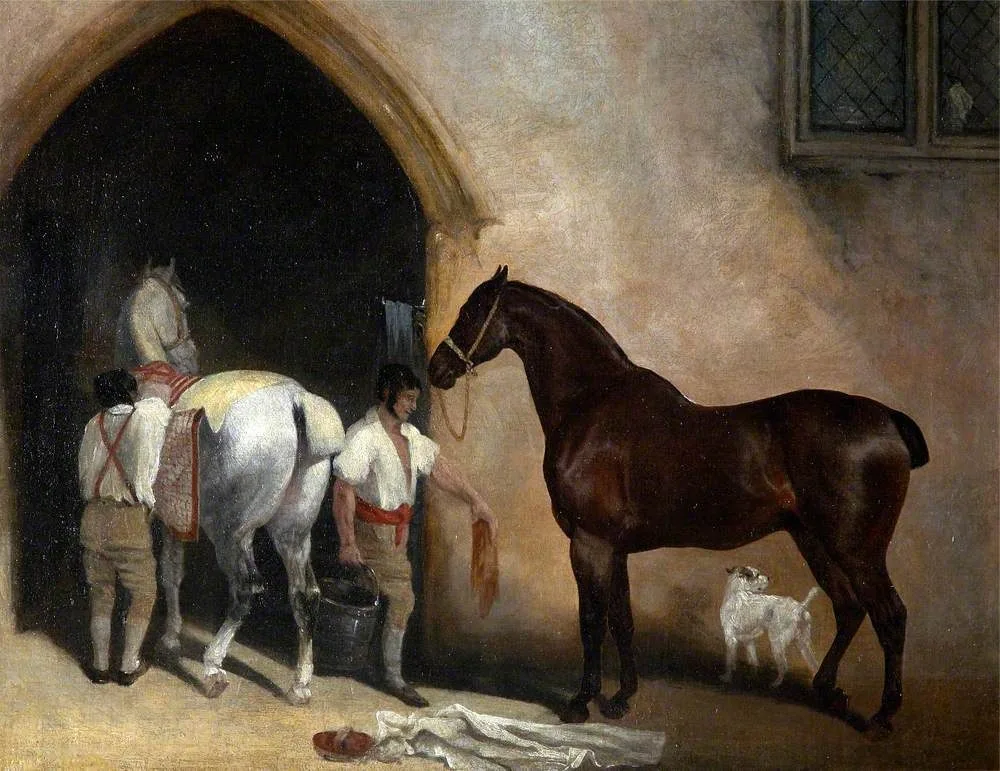
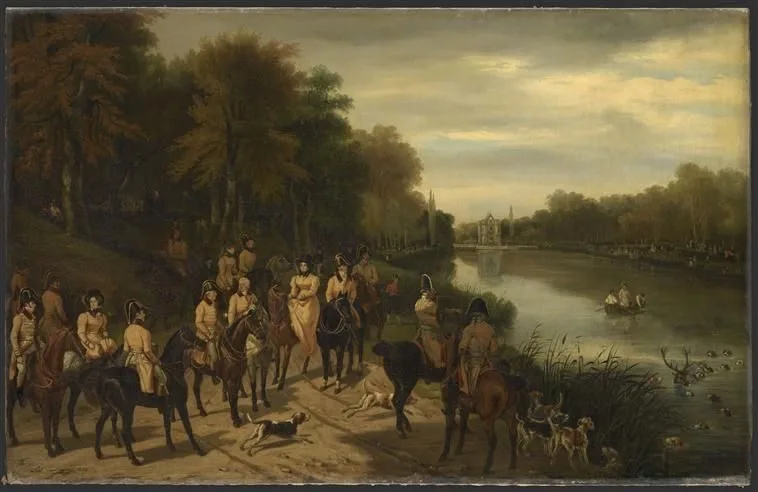
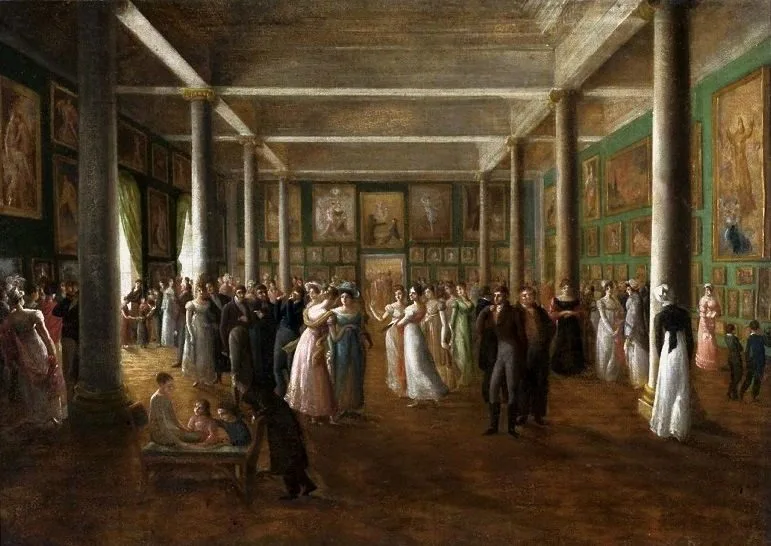
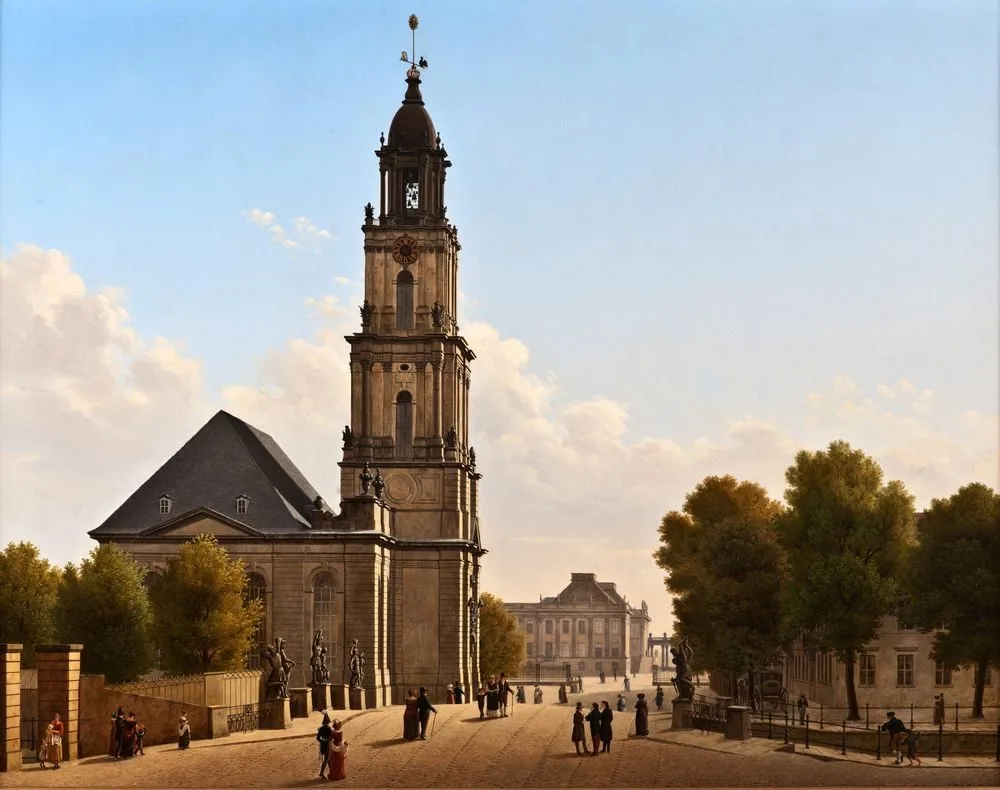
Russia, 1852 — written by a soldier in the Caucasus
Tolstoy was twenty-three, had gambled away part of his inheritance, and had gone south to join his brother in the army. He wrote his first book between engagements and sent it to a Petersburg journal under initials only, half expecting nothing.
It appeared in the years just before the emancipation of the serfs, and it is set in a household run by them — which is why the child narrator’s tenderness towards the servants, and his complete unconsciousness of what they are, does more to explain the period than any amount of argument would.
A page from this edition
Not a mock-up: this page is taken from the finished volume. The ornament above the chapter belongs to its shelf and to no other, the opening letter is set as a drop capital, and the plate below carries the name of the painter and the year.


Both photographed from the finished volume.
Childhood, issued in this edition by Aeneas Press in 2026 on the Salon & Steppe shelf. Newly set, with the ornament of its series above each chapter and a drop capital on the opening page. Illustrated with full-page plates, each named with its painter.
Published as an ebook and not issued in print by this house; it carries one ISBN, 9785486703539, and is supplied worldwide. This edition — its setting, its ornament, its cover art, and the selection and attribution of its plates — © 2026 Aeneas Press.
Questions readers ask
- Is this the whole of Childhood?
- Yes — complete and unabridged. Nothing is cut, condensed or paraphrased. This is the book, not a summary of it.
- What exactly did you change?
- The spelling and the punctuation follow present-day American usage. Leo Tolstoy's sentences are untouched — same words, same order, same rhythm.
- Are the pictures really in the book?
- Yes. The edition carries full-page plates bound into the text, each one named with its painter and the year it was made. Six of them are shown on this page.
- How long is it?
- About 120 pages, which is roughly about 2 hours of reading.
- What do I actually get?
- An illustrated ebook with its own ISBN, sold worldwide. One file, yours to keep, readable on any device.


