
Frankenstein
The Modern Prometheus
by Mary Wollstonecraft Shelley 1797–1851
The book, and the century it came out of.
A student of natural philosophy discovers the secret of life, assembles a creature from the dead, and flees the room the moment it opens its eyes. Everything that follows — the abandonment, the pursuit, the demand for a companion — comes from that flight rather than from the act of creation. Mary Shelley was eighteen when she began it, and the questions she raised have outlived every answer science has offered since. Illustrated with 58 full-page plates — paintings by Pitz, Granet and Schütz among them.
You will rejoice to hear that no disaster has accompanied the commencement of an enterprise which you have regarded with such evil forebodings.
Frankenstein, by Mary Wollstonecraft Shelley, complete and unabridged. Spelling and punctuation follow present-day American usage; the sentences, the paragraphs and the voice are the author’s, word for word.
It was written in another era and may carry attitudes a reader today will find dated. They are kept for the sake of the work and do not reflect the views of this house.
- Series
- Gothic & Horror
- Format
- Ebook
- Extent
- about 232 pages
- Reading time
- about 5 hours
- Illustrations
- Full-page plates, credited
- Text
- Complete, unabridged
- Language
- en
- This edition
- 2026
- ISBN
- 9785486932359
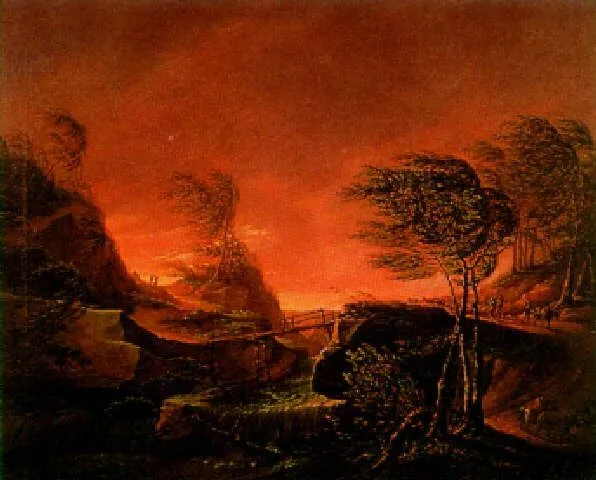
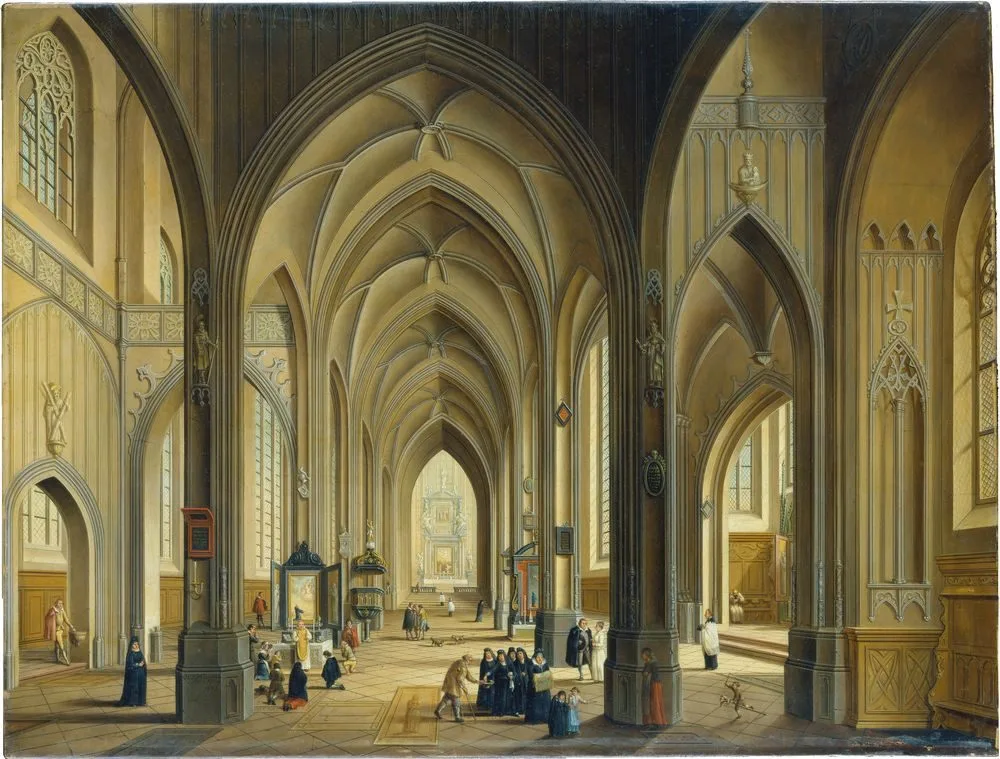
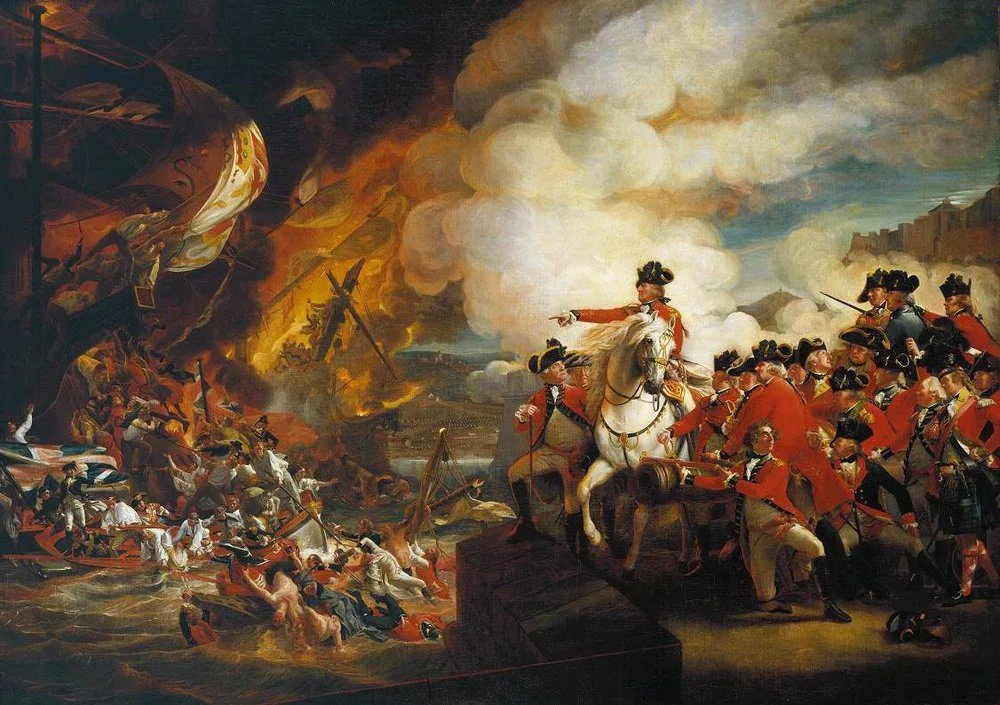
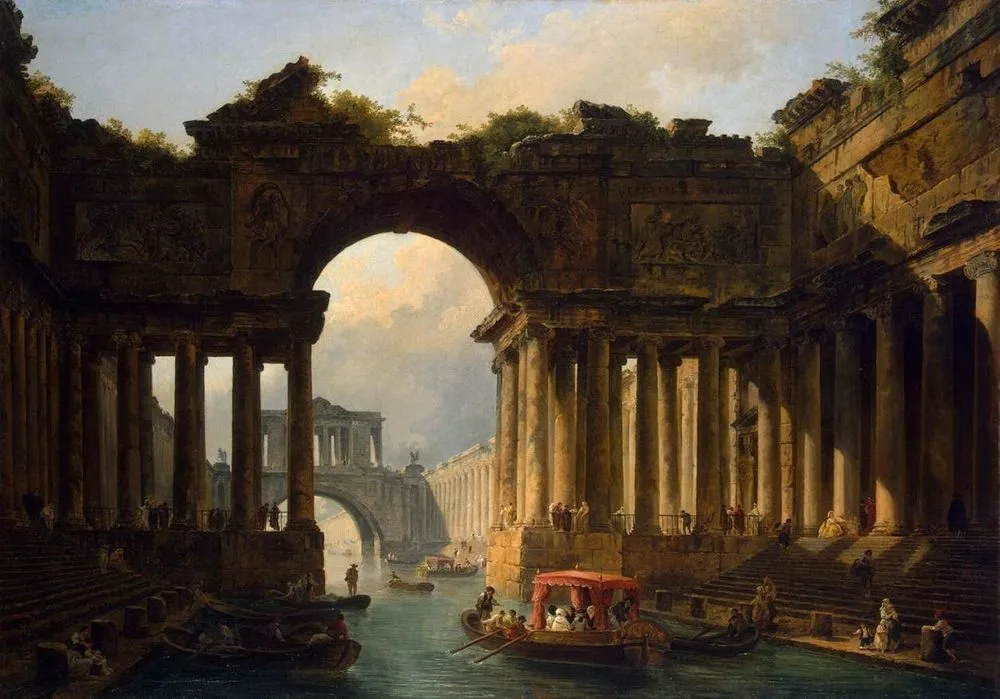
58 paintings are bound into this edition
Six of them are shown here, taken from the volume itself. Each is reproduced full page and named with its painter and year.
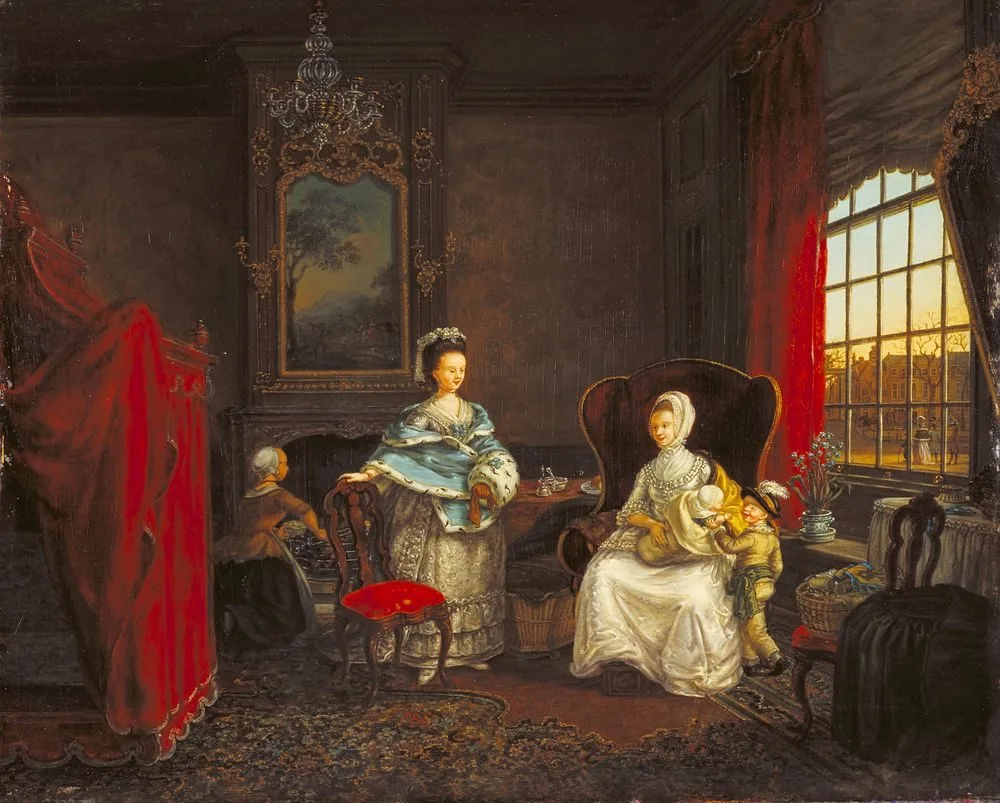
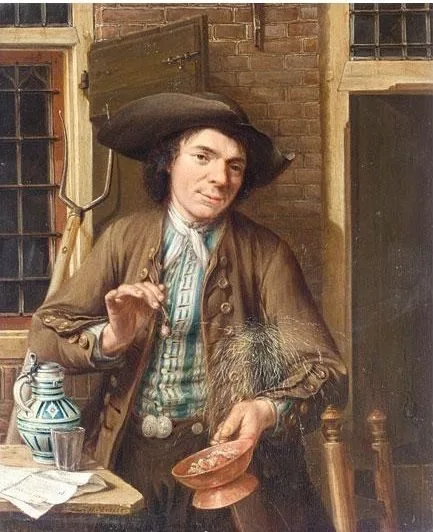
Written in the summer that never came
In April 1815 Tambora erupted in the Dutch East Indies, throwing enough ash into the atmosphere to cool the whole northern hemisphere. 1816 became the year without a summer: crops failed across Europe and North America, bread prices doubled, and it rained for weeks on end. Mary Godwin was eighteen, on the shore of Lake Geneva with Percy Shelley and Byron, and the weather kept the party indoors. Byron proposed they each write a ghost story.
What she wrote came out of the other obsession of those years. Galvani had made dead frogs’ legs kick with electricity in the 1780s; his nephew Aldini took the demonstration further, and in London in 1803 applied a battery to the corpse of a hanged murderer in front of an audience, making the jaw work and one eye open. Anatomy schools were buying bodies faster than the law could supply them, and the trade in stolen corpses was a public scandal.
So the novel’s question was not idle when it was asked. Electricity had just been shown to move dead flesh, the dead were being dug up for money, and a cold sunless year had made the future look uncertain. The book was published in 1818, anonymously, when its author was twenty.
This book in culture: 35 versions
Most people meet a book like this one on a screen first. Here are 8 of them, the earliest and the most recent among them — and none of them is the book.
The whole afterlife of Frankenstein — screen, stage and beyond →
- 1910 Frankenstein J. Searle Dawley short film
- 1957 The Curse of Frankenstein Terence Fisher
- 1975 Young Frankenstein Mel Brooks
- 1985 The Bride Franc Roddam
- 1995 Mary Shelley's Frankenstein Kenneth Branagh
- 2011 Frankenstein: Day of the Beast Ricardo Islas
- — Frankenstein Kevin Connor miniseries
- — Victor LaValle's Destroyer comic book
A page from this edition
Not a mock-up: this page is taken from the finished volume. The ornament above the chapter belongs to its shelf and to no other, the opening letter is set as a drop capital, and the plate below carries the name of the painter and the year.


Both photographed from the finished volume.
Frankenstein, first published 1818, issued in this edition by Aeneas Press in 2026 on the Gothic & Horror shelf. Newly set, with the ornament of its series above each chapter and a drop capital on the opening page. Illustrated with full-page plates, each named with its painter.
Published as an ebook and not issued in print by this house; it carries one ISBN, 9785486932359, and is supplied worldwide. This edition — its setting, its ornament, its cover art, and the selection and attribution of its plates — © 2026 Aeneas Press.
Questions readers ask
- Is this the whole of Frankenstein?
- Yes — complete and unabridged. Nothing is cut, condensed or paraphrased. This is the book, not a summary of it.
- What exactly did you change?
- The spelling and the punctuation follow present-day American usage. Mary Wollstonecraft Shelley's sentences are untouched — same words, same order, same rhythm.
- Are the pictures really in the book?
- Yes. The edition carries full-page plates bound into the text, each one named with its painter and the year it was made. Six of them are shown on this page.
- How long is it?
- About 232 pages, which is roughly about 5 hours of reading.
- What do I actually get?
- An illustrated ebook with its own ISBN, sold worldwide. One file, yours to keep, readable on any device.

Fanshawe
Nathaniel Hawthorne
$4.99

The Private Memoirs and Confessions of a Justified Sinner
James Hogg
$6.99

Memoirs of Carwin the Biloquist
Charles Brockden Brown
$4.99

Mosses from an Old Manse
Nathaniel Hawthorne
$6.99