
Mugby Junction
by Charles Dickens 1812–1870
The book, and the century it came out of.
A man who has spent his life in one office arrives at a railway junction with no plans, and stays — and the station tells him its stories, including the signalman on the line below the tunnel mouth who has seen something on the track. Dickens wrote the frame and the best pieces for the Christmas number of 1866, the year after he survived the Staplehurst rail crash. The Signal-Man came out of that. Illustrated with 30 full-page plates — paintings by Brown, Woodville and Sr. among them.
“You’ll have, sir,” said the guard, glistening with drops of wet, and looking at the tearful face of his watch by the light of his lantern as the traveler descended, “three minutes here.”
Mugby Junction, by Charles Dickens, complete and unabridged. Spelling and punctuation follow present-day American usage; the sentences, the paragraphs and the voice are the author’s, word for word.
It was written in another era and may carry attitudes a reader today will find dated. They are kept for the sake of the work and do not reflect the views of this house.
- Series
- Literary Classics
- Format
- Ebook
- Extent
- about 56 pages
- Reading time
- about an hour
- Illustrations
- Full-page plates, credited
- Text
- Complete, unabridged
- Language
- en
- This edition
- 2026
- ISBN
- 9785486653155
30 paintings are bound into this edition
Six of them are shown here, taken from the volume itself. Each is reproduced full page and named with its painter and year.
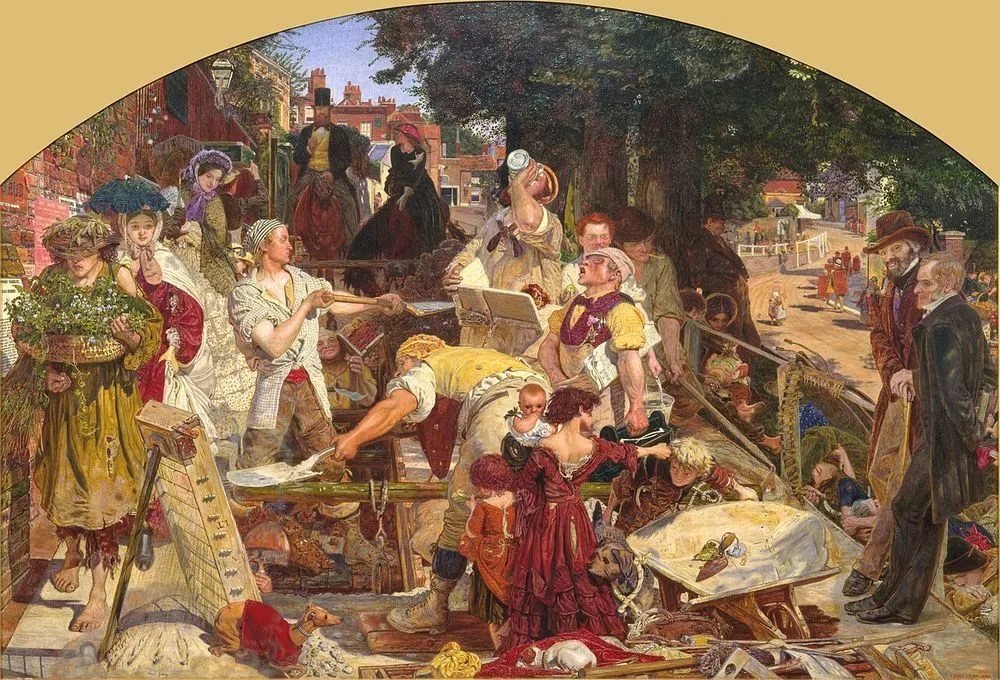
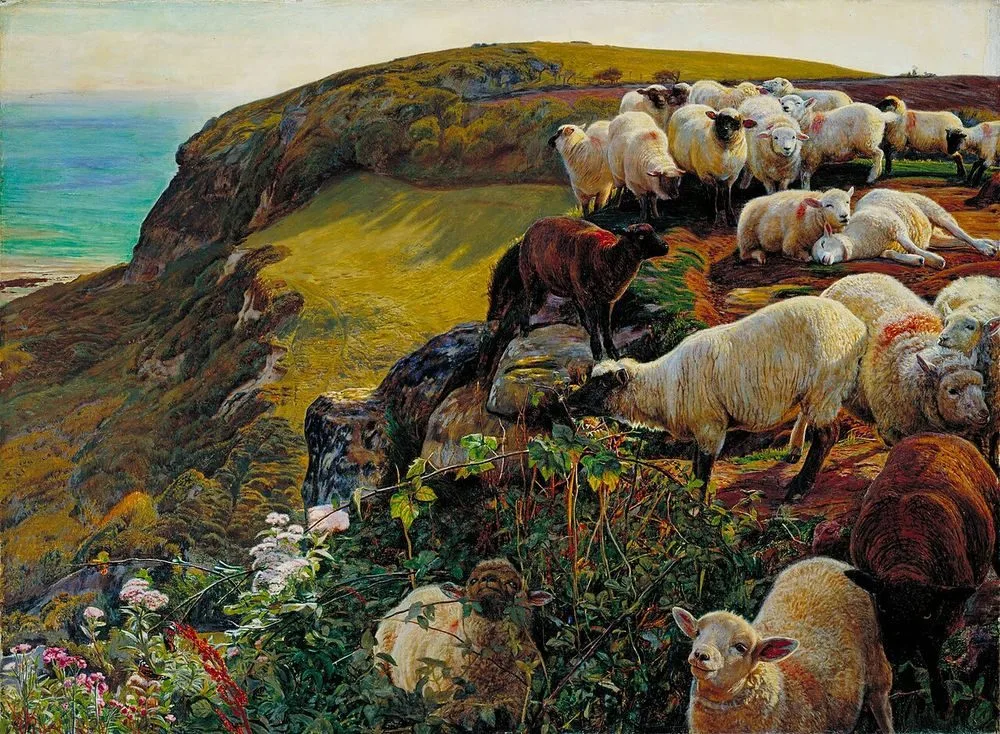
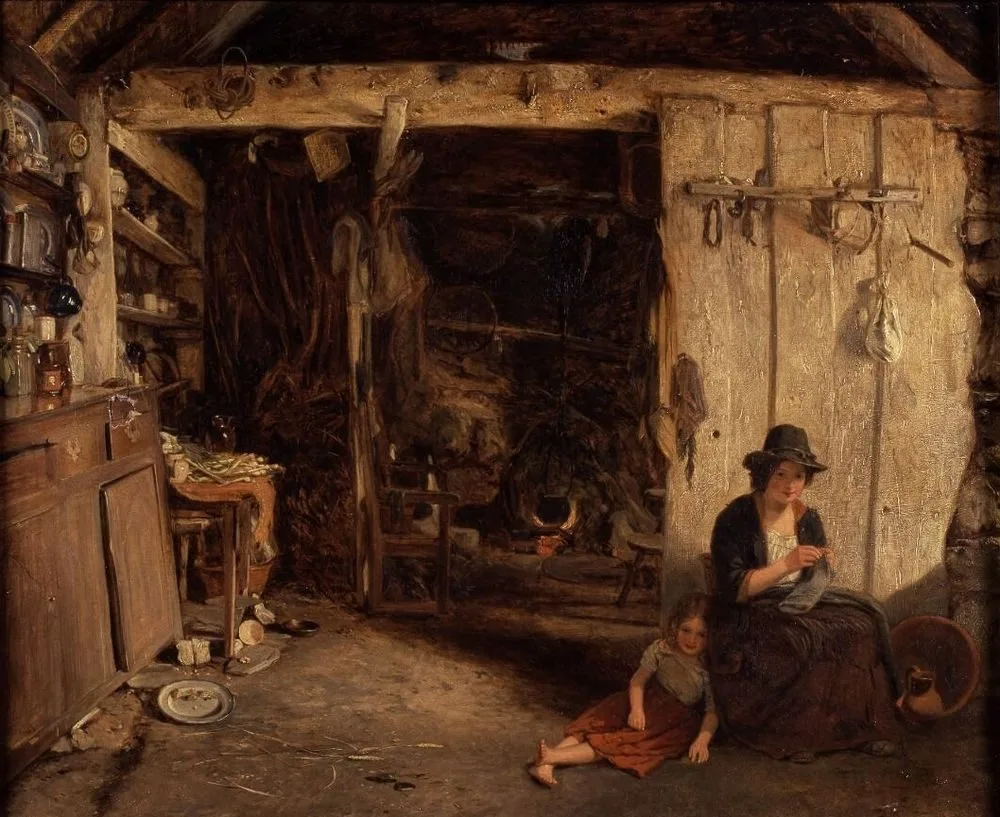
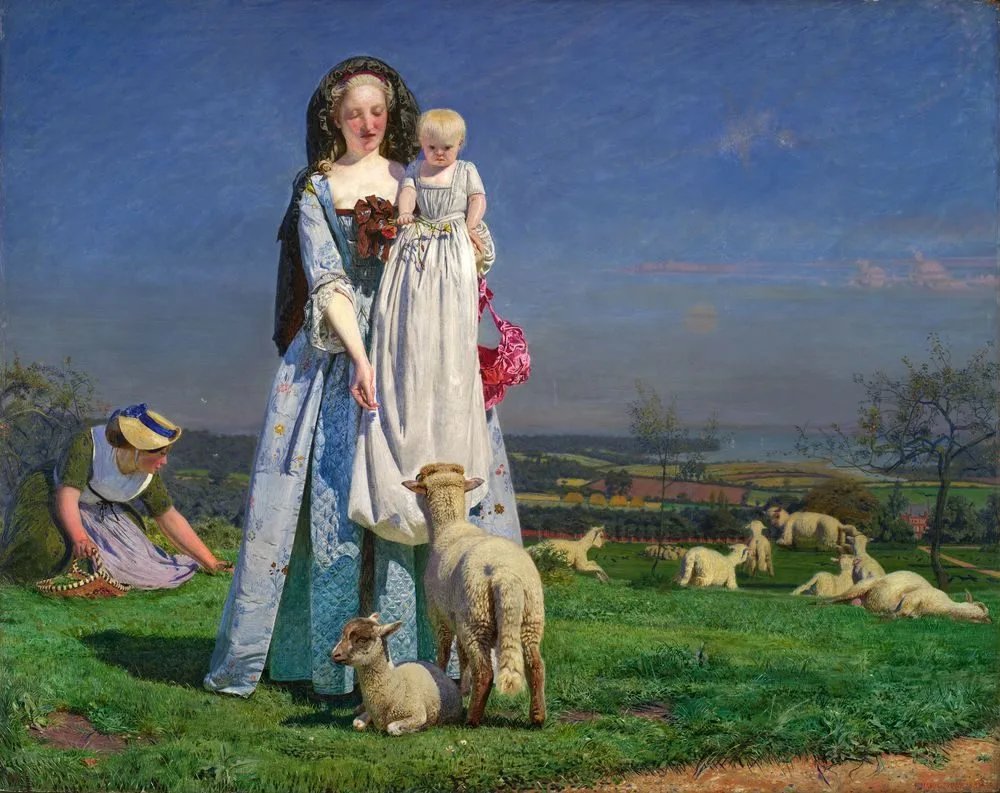
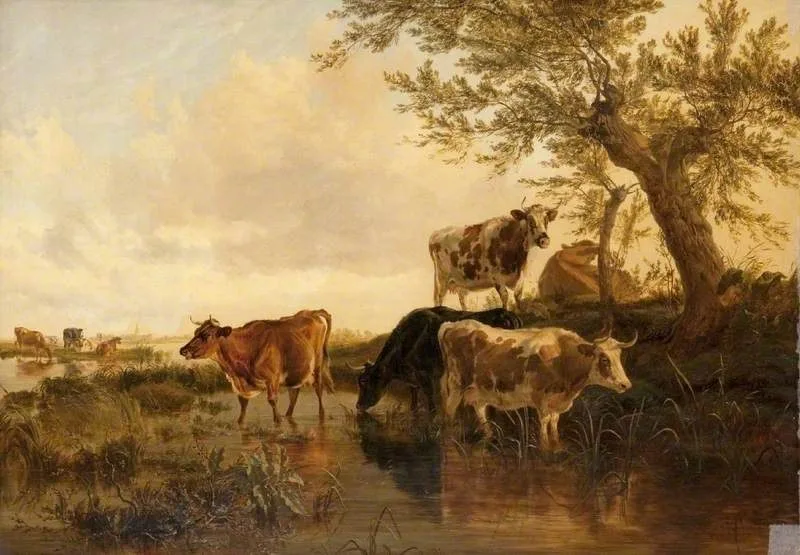
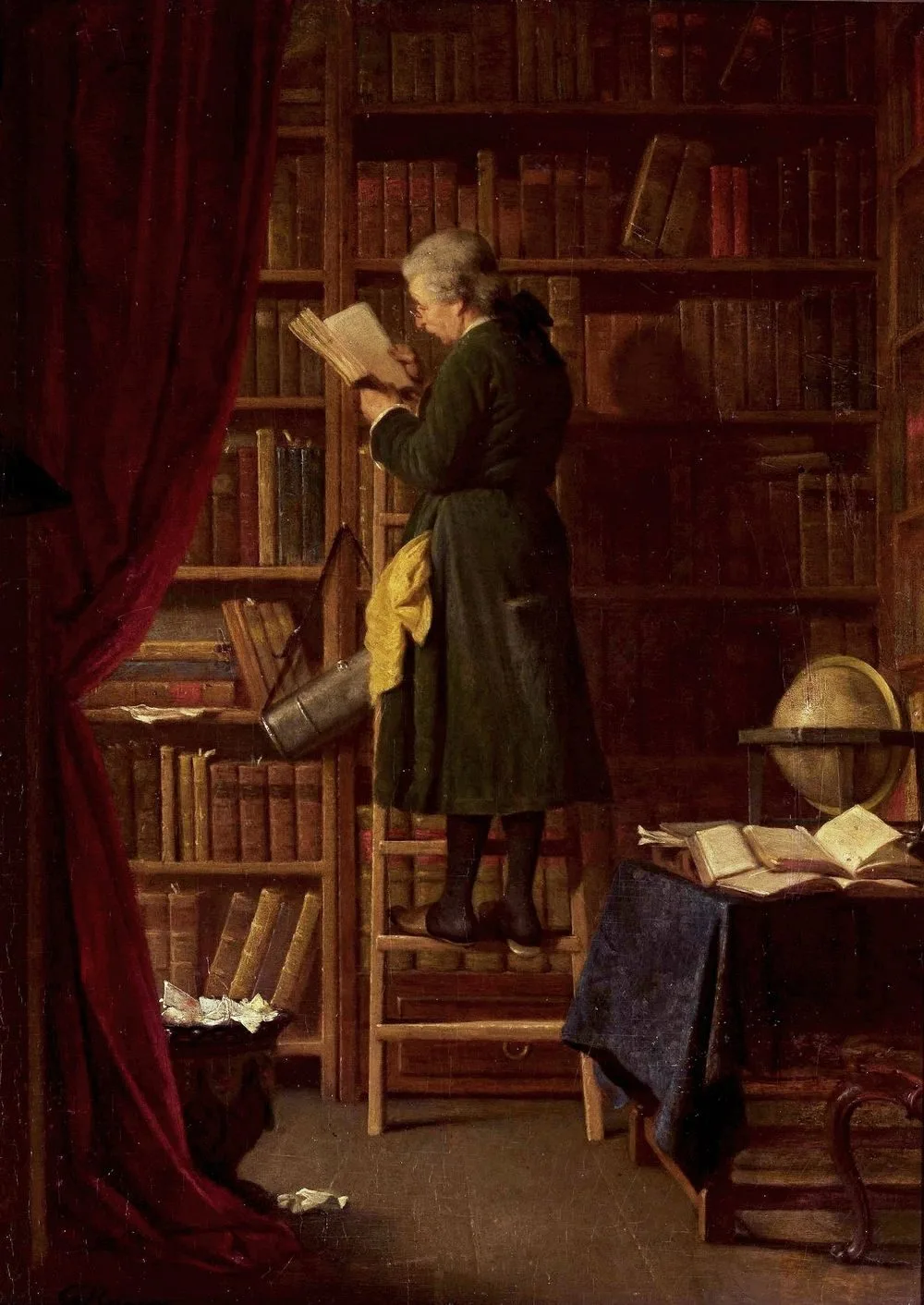
Written a year after a railway crash he survived
In June 1865 Dickens was in a train that went off a bridge at Staplehurst; he climbed out, worked among the dying for hours, and went back into the wreck for the manuscript he had left in the carriage. He never fully recovered his nerve for travelling, and died five years later on the anniversary of the crash.
This is the Christmas collection he wrote for 1866, set entirely at a railway junction, and it contains "The Signal-Man" — the ghost story that comes directly out of that experience, in which a railwayman is haunted by a warning he cannot interpret in time.
A page from this edition
Not a mock-up: this page is taken from the finished volume. The ornament above the chapter belongs to its shelf and to no other, the opening letter is set as a drop capital, and the plate below carries the name of the painter and the year.


Both photographed from the finished volume.
Mugby Junction, first published 1866, issued in this edition by Aeneas Press in 2026 on the Literary Classics shelf. Newly set, with the ornament of its series above each chapter and a drop capital on the opening page. Illustrated with full-page plates, each named with its painter.
Published as an ebook and not issued in print by this house; it carries one ISBN, 9785486653155, and is supplied worldwide. This edition — its setting, its ornament, its cover art, and the selection and attribution of its plates — © 2026 Aeneas Press.
Questions readers ask
- Is this the whole of Mugby Junction?
- Yes — complete and unabridged. Nothing is cut, condensed or paraphrased. This is the book, not a summary of it.
- What exactly did you change?
- The spelling and the punctuation follow present-day American usage. Charles Dickens's sentences are untouched — same words, same order, same rhythm.
- Are the pictures really in the book?
- Yes. The edition carries full-page plates bound into the text, each one named with its painter and the year it was made. Six of them are shown on this page.
- How long is it?
- About 56 pages, which is roughly about an hour of reading.
- What do I actually get?
- An illustrated ebook with its own ISBN, sold worldwide. One file, yours to keep, readable on any device.


