
Notes from the Underground
by Fyodor Dostoevsky 1821–1881
The book, and the century it came out of.
A retired civil servant lives in a corner of Petersburg and addresses the reader with forty pages of argument nobody asked for: that reason will not make men good, that a man may choose his own harm simply to prove he is free. Then he tells the story that proves it. Dostoevsky wrote it after prison and exile, and everything he built afterwards stands on this small furious book. Illustrated with 60 full-page plates — paintings by Champin, Waldorp and Springer among them.
The author of the diary and the diary itself are, of course, imaginary.
Notes from the Underground, by Fyodor Dostoevsky, complete and unabridged. Spelling and punctuation follow present-day American usage; the sentences, the paragraphs and the voice are the author’s, word for word.
It was written in another era and may carry attitudes a reader today will find dated. They are kept for the sake of the work and do not reflect the views of this house.
- Series
- Salon & Steppe
- Format
- Ebook
- Extent
- about 128 pages
- Reading time
- about 3 hours
- Illustrations
- Full-page plates, credited
- Text
- Complete, unabridged
- Language
- en
- This edition
- 2026
- ISBN
- 9785501342873
60 paintings are bound into this edition
Six of them are shown here, taken from the volume itself. Each is reproduced full page and named with its painter and year.
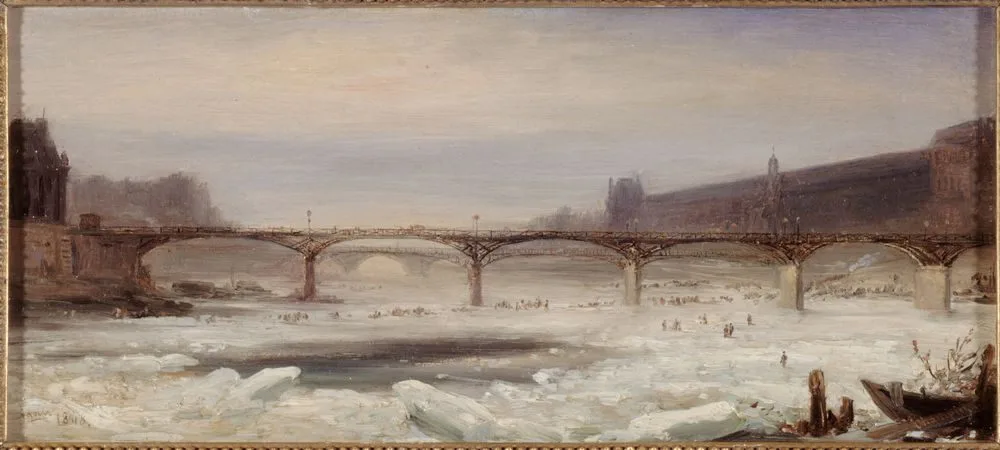
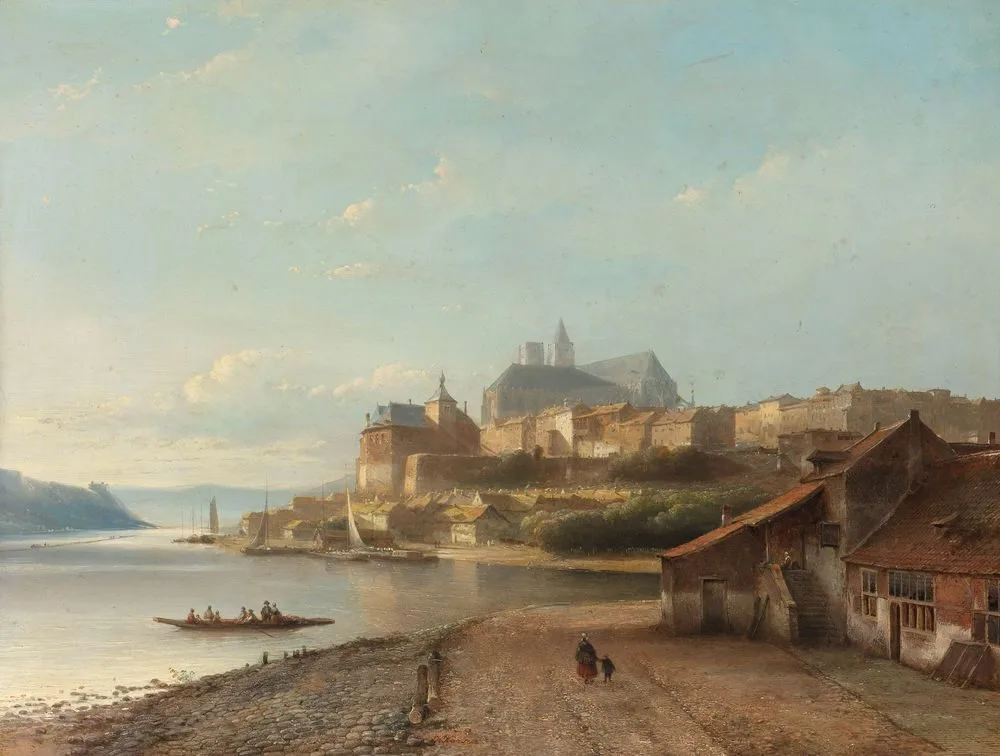
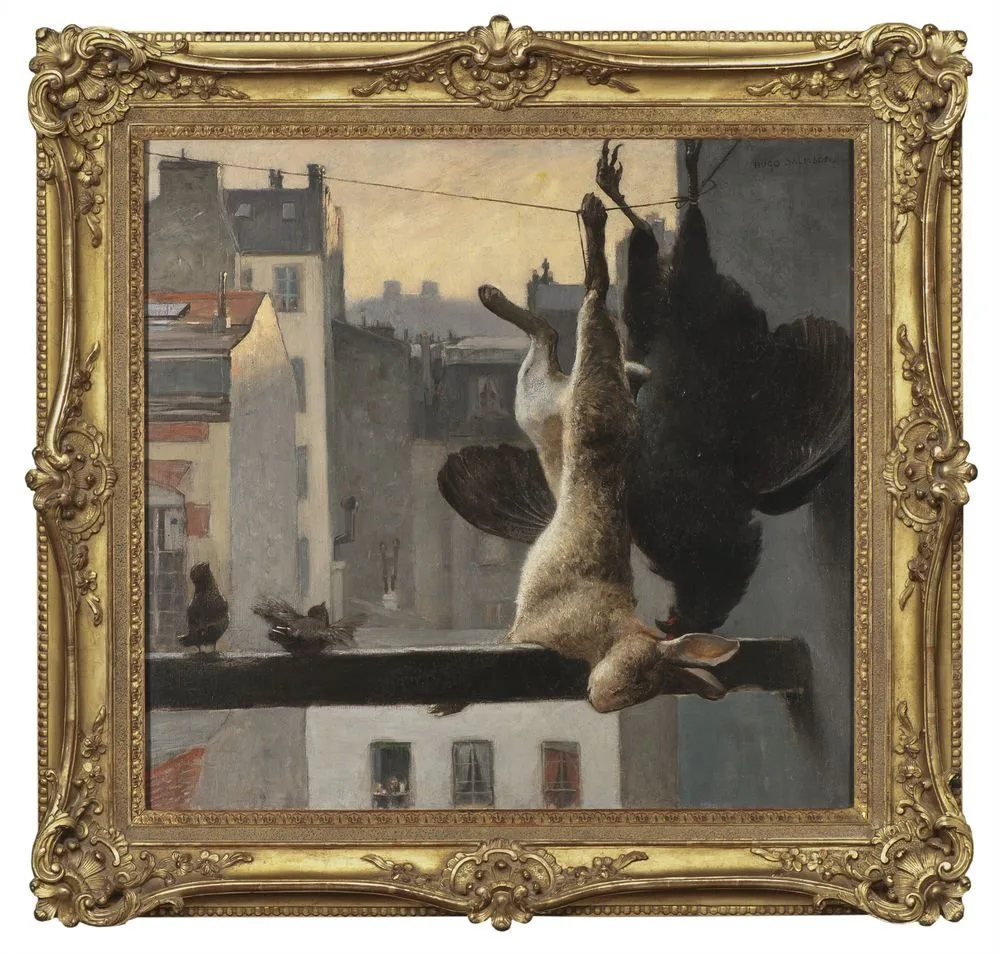
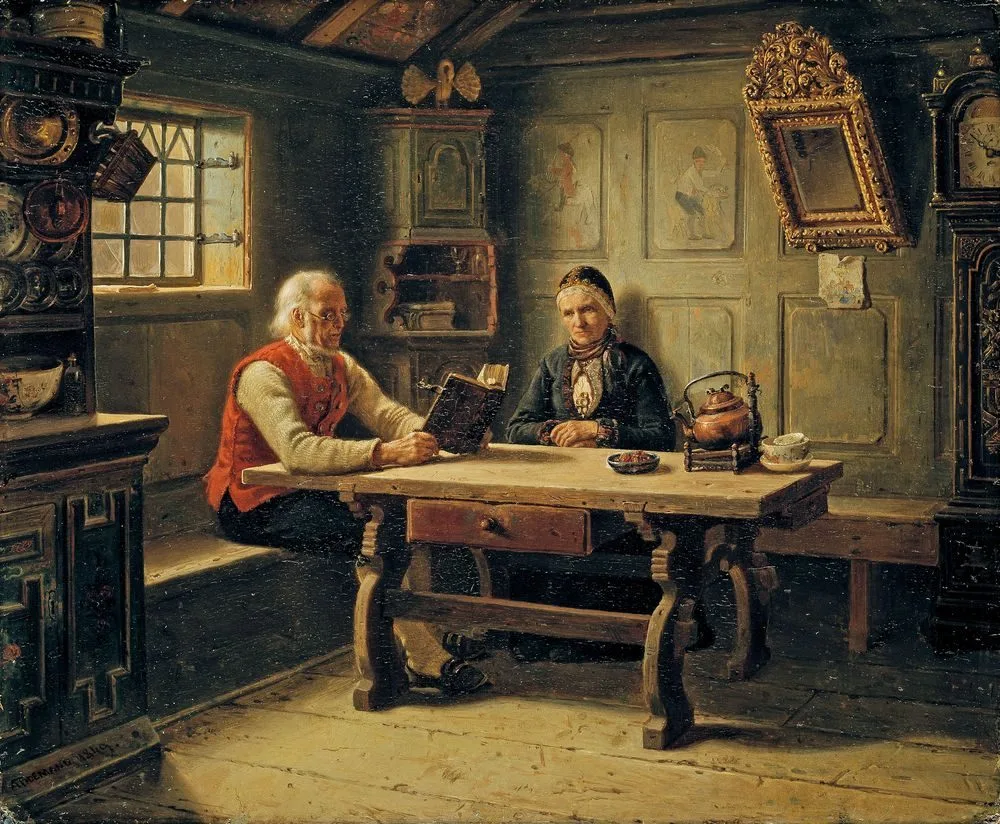
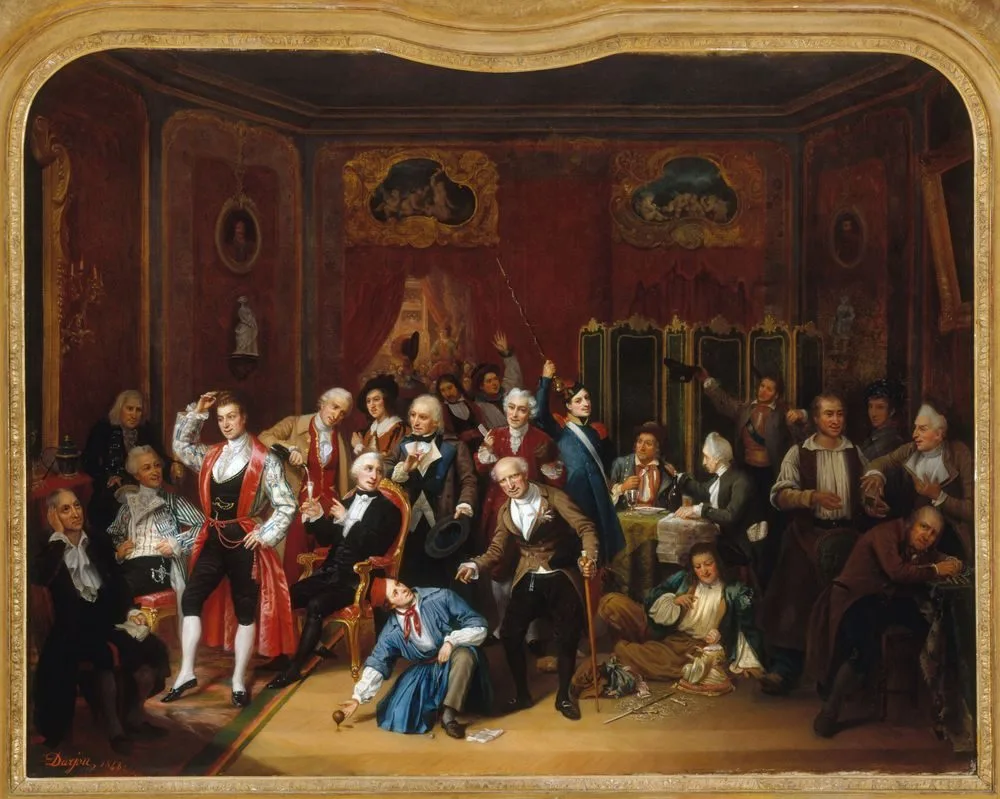
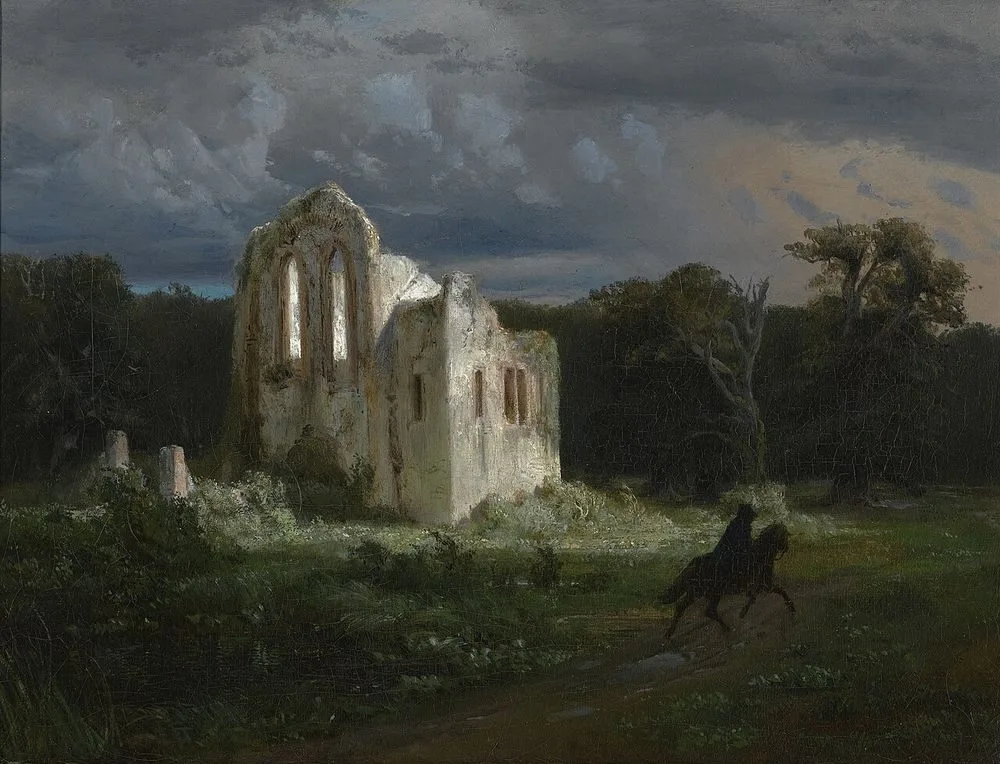
St Petersburg, 1864 — an answer to a novel
Chernyshevsky’s <em>What Is to Be Done?</em> had appeared the year before and become the handbook of a generation: rational egoism, progress by reason, a future of glass and steel where everyone would behave sensibly because it was in their interest. Dostoevsky wrote his reply from the other end of the argument.
He wrote it in the worst year of his life. His wife and his brother both died while he was working on it, and he was left with his brother’s debts and a failing magazine. The result is a hundred pages of a man in a rented room explaining, with total lucidity, that he will act against his own interest simply to prove he is not a piano key.
This book in culture: 2 versions
Most people meet a book like this one on a screen first. Here is what was made of it — and none of these is the book.
- 1997 Notes from Underground Gary Walkow
- 2012 Inside Zeki Demirkubuz
A page from this edition
Not a mock-up: this page is taken from the finished volume. The ornament above the chapter belongs to its shelf and to no other, the opening letter is set as a drop capital, and the plate below carries the name of the painter and the year.


Both photographed from the finished volume.
Notes from the Underground, first published 1864, issued in this edition by Aeneas Press in 2026 on the Salon & Steppe shelf. Newly set, with the ornament of its series above each chapter and a drop capital on the opening page. Illustrated with full-page plates, each named with its painter.
Published as an ebook and not issued in print by this house; it carries one ISBN, 9785501342873, and is supplied worldwide. This edition — its setting, its ornament, its cover art, and the selection and attribution of its plates — © 2026 Aeneas Press.
Questions readers ask
- Is this the whole of Notes from the Underground?
- Yes — complete and unabridged. Nothing is cut, condensed or paraphrased. This is the book, not a summary of it.
- What exactly did you change?
- The spelling and the punctuation follow present-day American usage. Fyodor Dostoevsky's sentences are untouched — same words, same order, same rhythm.
- Are the pictures really in the book?
- Yes. The edition carries full-page plates bound into the text, each one named with its painter and the year it was made. Six of them are shown on this page.
- How long is it?
- About 128 pages, which is roughly about 3 hours of reading.
- What do I actually get?
- An illustrated ebook with its own ISBN, sold worldwide. One file, yours to keep, readable on any device.


