
The Black Tulip
by Alexandre Dumas 1802–1870
The book, and the century it came out of.
Holland, 1672: a mob tears two statesmen to pieces in the street, and a quiet gentleman in Dordrecht goes on trying to breed a black tulip because a hundred thousand guilders are offered for one. Dumas takes the real lynching of the De Witt brothers, sets a flower contest beside it, and lets a jealous neighbor do the rest. The tulip mania was forty years past and the greed was not. Illustrated with 60 full-page plates — paintings by van Croos, van Goyen and van Ruisdael among them.
On the 20th of August, 1672, the city of the Hague, always so lively, so neat, and so trim that one might believe every day to be Sunday, with its shady park, with its tall trees, spreading over its Gothic houses, with its canals like large mirrors, in which its steeples and its almost Eastern cupolas are…
The Black Tulip, by Alexandre Dumas, complete and unabridged. Spelling and punctuation follow present-day American usage; the sentences, the paragraphs and the voice are the author’s, word for word.
It was written in another era and may carry attitudes a reader today will find dated. They are kept for the sake of the work and do not reflect the views of this house.
- Series
- Adventure & the Sea
- Format
- Ebook
- Extent
- about 224 pages
- Reading time
- about 4 hours
- Illustrations
- Full-page plates, credited
- Text
- Complete, unabridged
- Language
- en
- This edition
- 2026
- ISBN
- 9785501383999
60 paintings are bound into this edition
Six of them are shown here, taken from the volume itself. Each is reproduced full page and named with its painter and year.
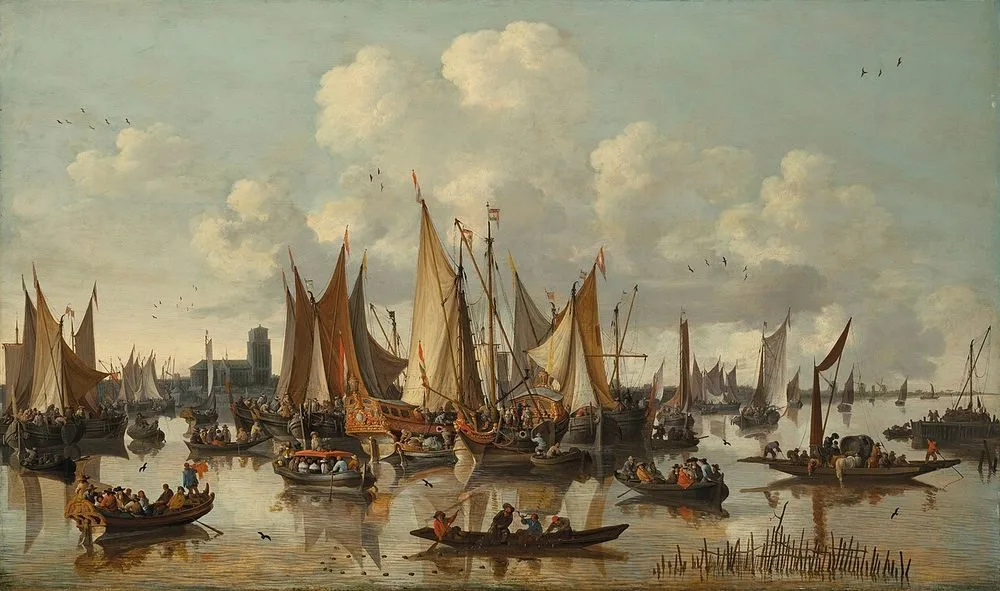
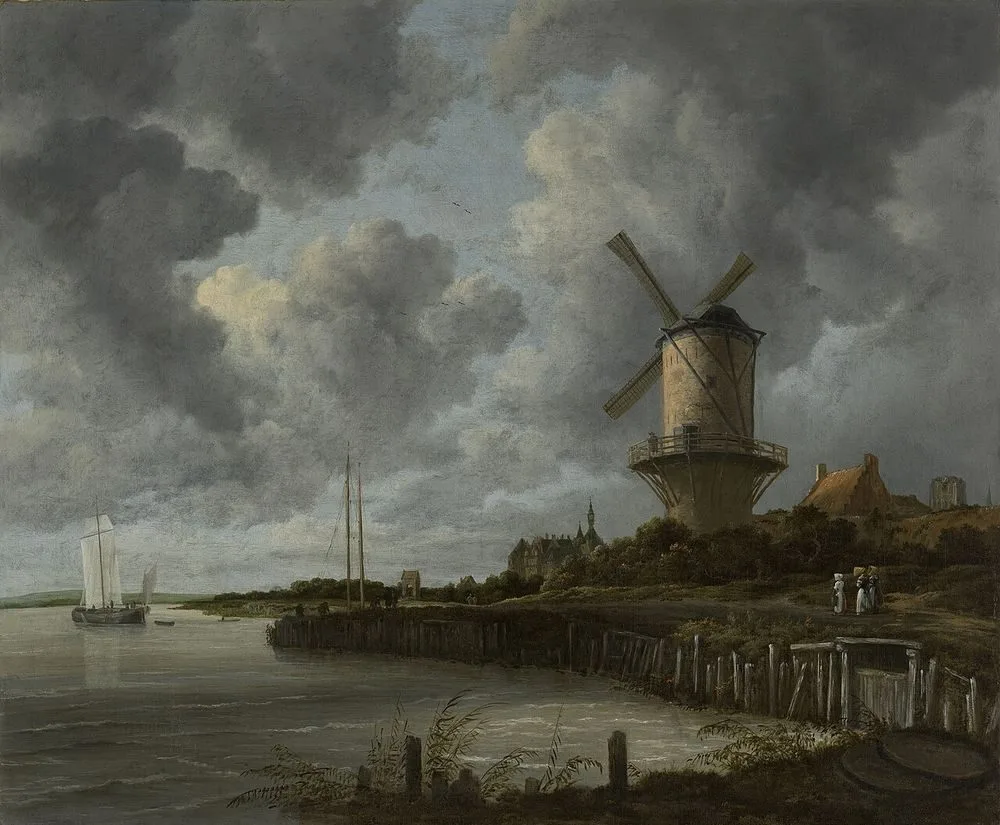
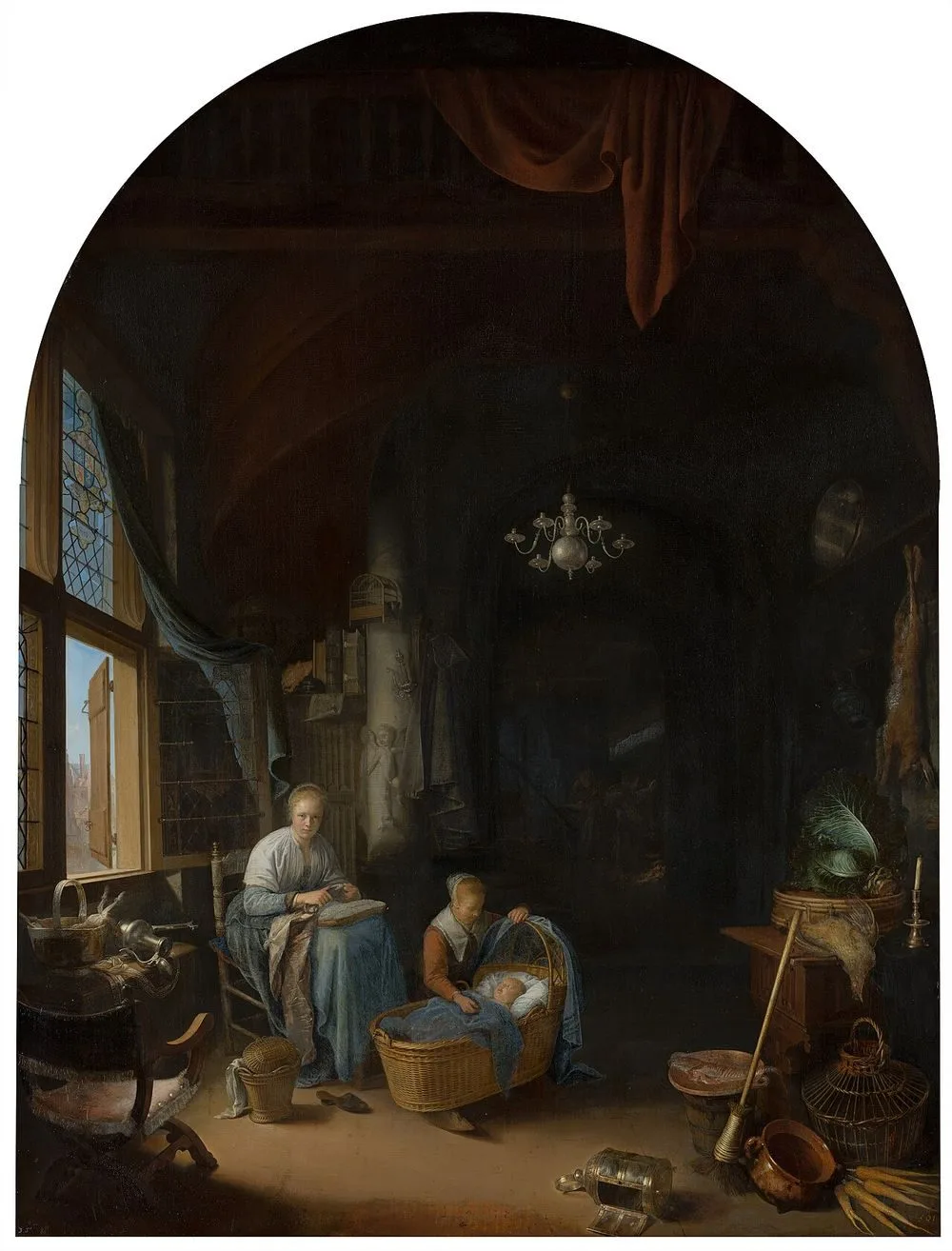
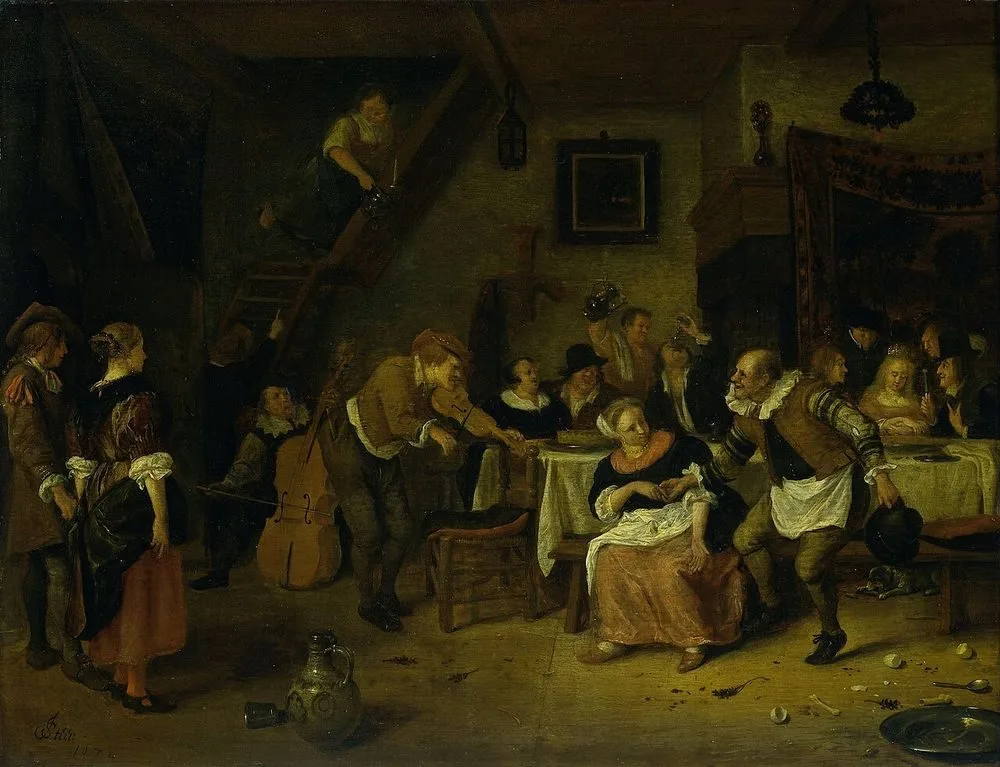
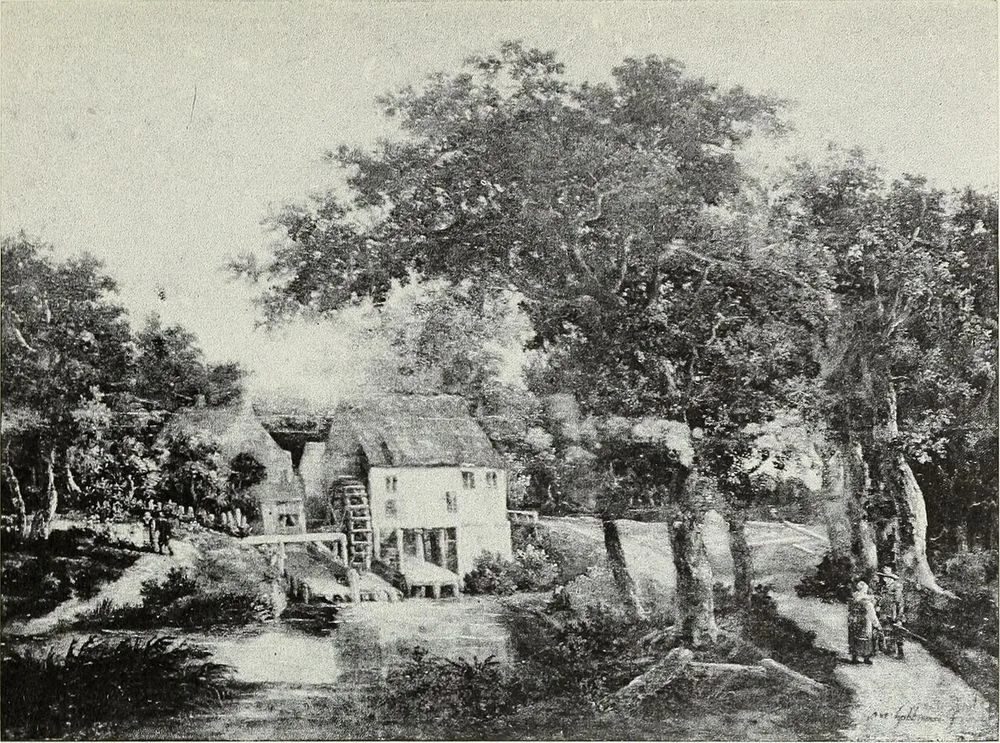
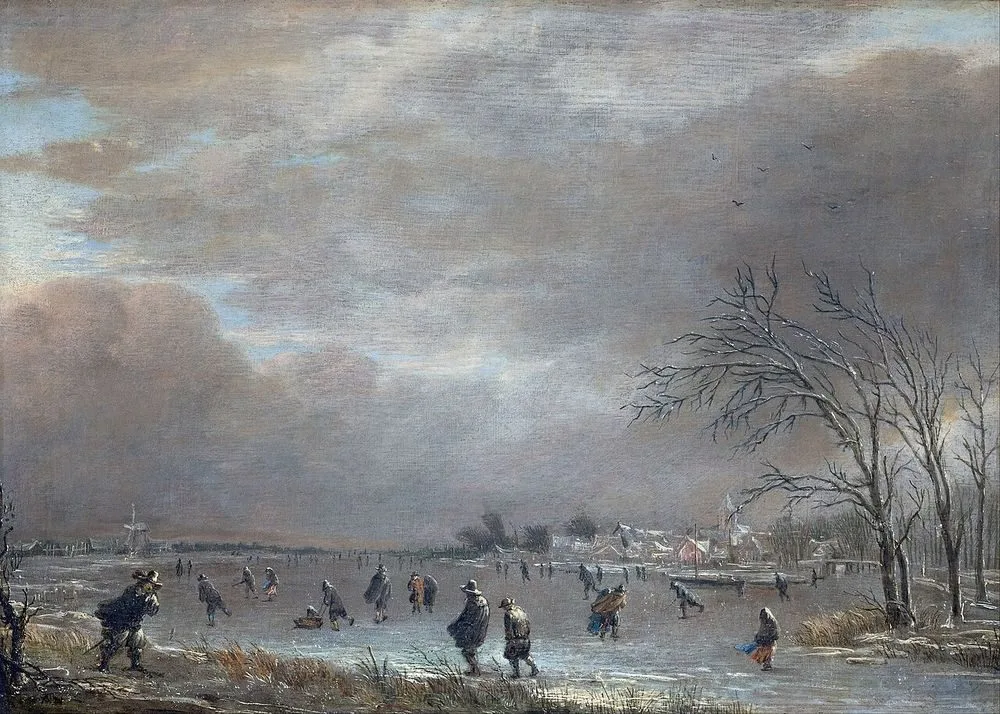
Holland, 1672 — a lynching Dumas did not invent
The novel opens with the murder of the de Witt brothers by a mob in The Hague, torn apart in the street and their bodies mutilated. It happened, in front of witnesses, in the year the French invaded and the Dutch republic came close to collapse.
Against that, Dumas set a man in a cell trying to grow a flower. Tulip mania had been forty years earlier and was still a byword for the speculative fever that grips a whole country — which is why a prize for breeding a black tulip is a plausible thing for a nation to lose its head over.
This book in culture: 4 versions
Most people meet a book like this one on a screen first. Here is what was made of it — and none of these is the book.
The whole afterlife of The Black Tulip — screen, stage and beyond →
- 1920 Kara Lale Bayramı Muhsin Ertuğrul silent film
- 1921 The Black Tulip Frank Richardson
- 1937 The Black Tulip Alex Bryce
- 1964 La Tulipe noire Christian-Jaque
A page from this edition
Not a mock-up: this page is taken from the finished volume. The ornament above the chapter belongs to its shelf and to no other, the opening letter is set as a drop capital, and the plate below carries the name of the painter and the year.


Both photographed from the finished volume.
The Black Tulip, first published 1850, issued in this edition by Aeneas Press in 2026 on the Adventure & the Sea shelf. Newly set, with the ornament of its series above each chapter and a drop capital on the opening page. Illustrated with full-page plates, each named with its painter.
Published as an ebook and not issued in print by this house; it carries one ISBN, 9785501383999, and is supplied worldwide. This edition — its setting, its ornament, its cover art, and the selection and attribution of its plates — © 2026 Aeneas Press.
Questions readers ask
- Is this the whole of The Black Tulip?
- Yes — complete and unabridged. Nothing is cut, condensed or paraphrased. This is the book, not a summary of it.
- What exactly did you change?
- The spelling and the punctuation follow present-day American usage. Alexandre Dumas's sentences are untouched — same words, same order, same rhythm.
- Are the pictures really in the book?
- Yes. The edition carries full-page plates bound into the text, each one named with its painter and the year it was made. Six of them are shown on this page.
- How long is it?
- About 224 pages, which is roughly about 4 hours of reading.
- What do I actually get?
- An illustrated ebook with its own ISBN, sold worldwide. One file, yours to keep, readable on any device.


