
The Sorrows of Young Werther
by Johann Wolfgang von Goethe 1749–1832
The book, and the century it came out of.
Translated by Richard Dillon Boylan
A young man arrives in a country town, falls in love with a woman already promised to another, and writes letters about it until there is nothing left to write. Goethe was twenty-four; the book made him famous across Europe, was blamed for a wave of imitative suicides, and embarrassed him for the rest of his long life. Its power is the voice — unguarded, self-dramatising, and horribly recognisable. Illustrated with 45 full-page plates — paintings by Juel and Seekatz among them.
I have carefully collected whatever I have been able to learn of the story of poor Werther, and here present it to you, knowing that you will thank me for it.
The Sorrows of Young Werther, by Johann Wolfgang von Goethe, complete and unabridged. Spelling and punctuation follow present-day American usage; the sentences, the paragraphs and the voice are the author’s, word for word.
It was written in another era and may carry attitudes a reader today will find dated. They are kept for the sake of the work and do not reflect the views of this house.
- Series
- Literary Classics
- Format
- Ebook
- Extent
- about 128 pages
- Reading time
- about 3 hours
- Illustrations
- Full-page plates, credited
- Text
- Complete, unabridged
- Translation
- Richard Dillon Boylan
- Language
- en
- This edition
- 2026
- ISBN
- 9785486307782
45 paintings are bound into this edition
Six of them are shown here, taken from the volume itself. Each is reproduced full page and named with its painter and year.
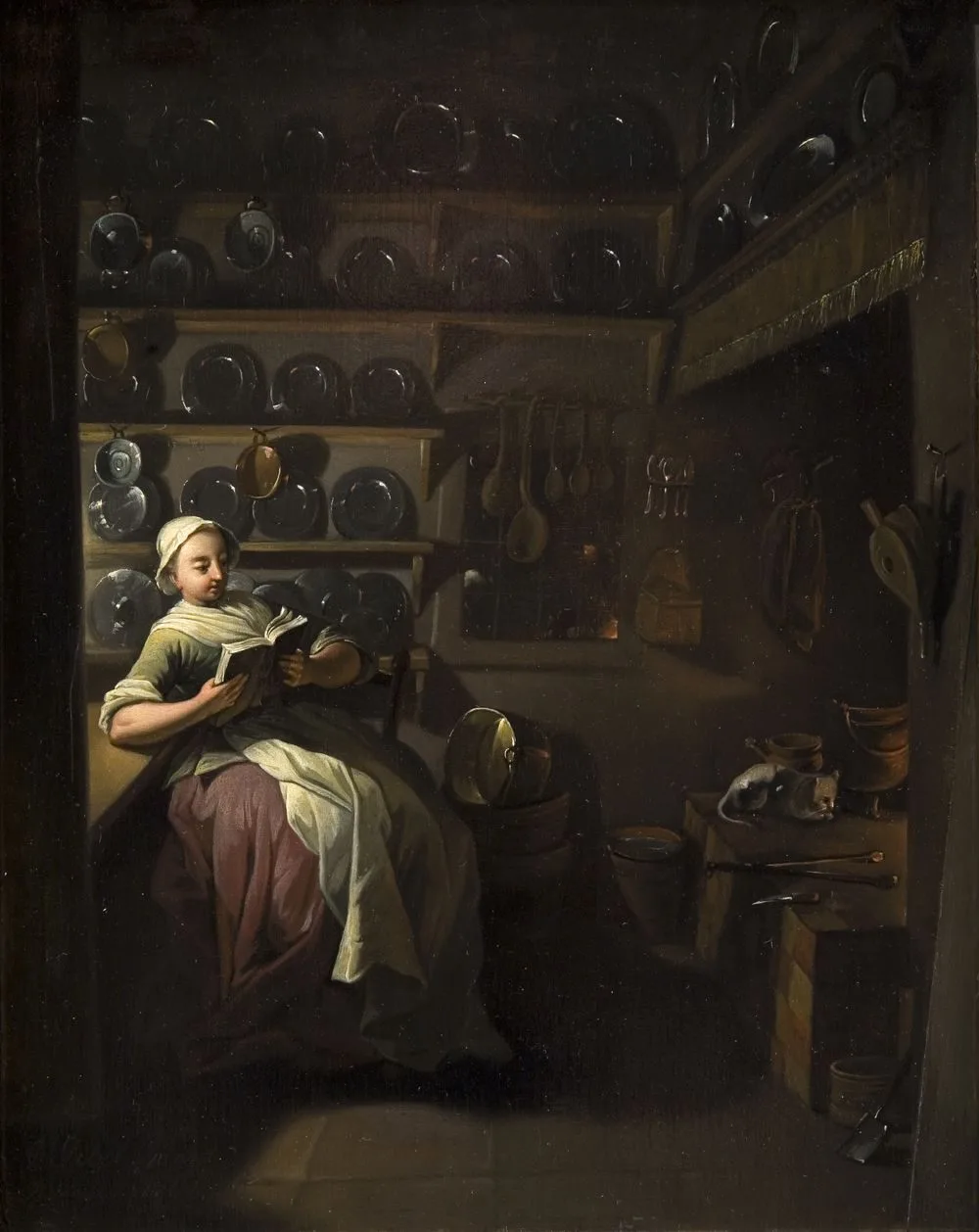
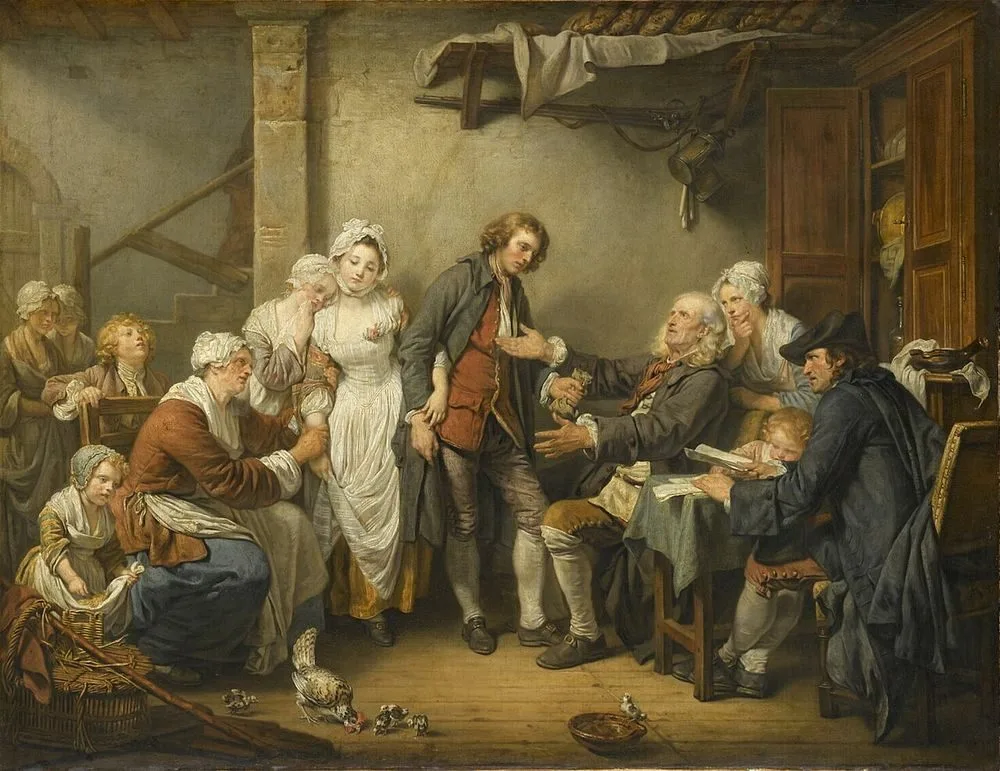
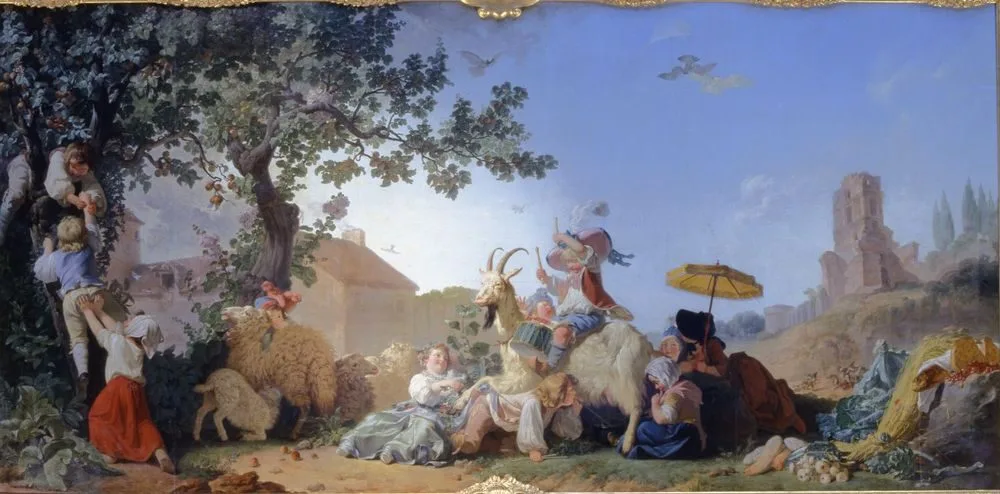
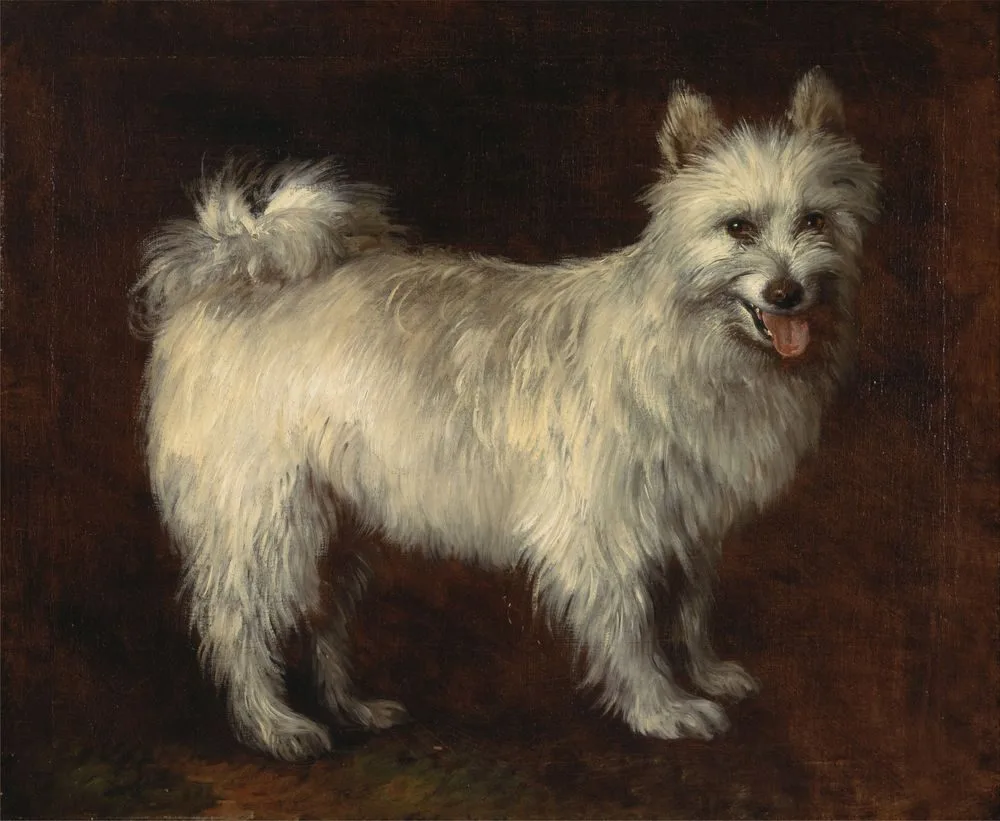
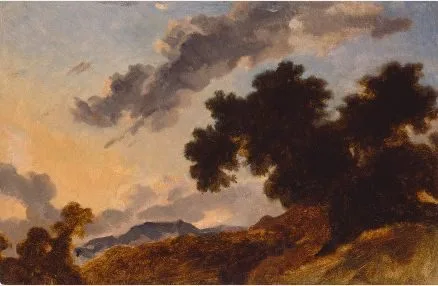
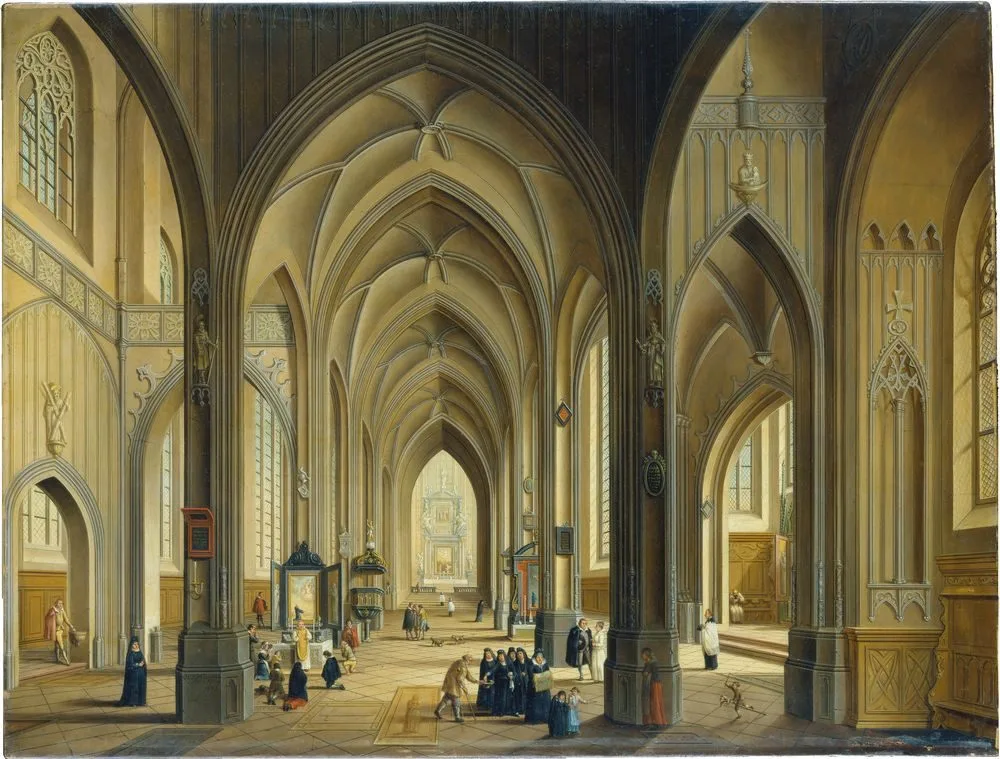
Written in six weeks, 1774
Goethe was twenty-four and had just come away from a hopeless attachment to a woman engaged to someone else; a friend of his had shot himself over a similar situation. He wrote the book in a few weeks and it went across Europe like weather.
The response was unlike anything publishing had seen. Young men dressed in Werther’s blue coat and yellow waistcoat. There were Werther teacups. And there were suicides — enough of them, and enough of them found with the book, that several cities banned it. It is the first time in the modern record that a book was blamed for what its readers went and did.
Goethe lived another fifty-eight years and spent much of them being asked about it.
This book in culture: 15 versions
Most people meet a book like this one on a screen first. Here are 8 of them, the earliest and the most recent among them — and none of them is the book.
The whole afterlife of The Sorrows of Young Werther — screen, stage and beyond →
- 1938 The Novel of Werther Max Ophüls
- 1976 The Sorrows of Young Werther Egon Günther
- 1990 Werther Håkan Alexandersson
- 2008 Werther Uwe Janson
- 2024 Young Werther José Lourenço
- 1796 Werther Gaetano Pugnani dramatico-musical work
- 1903 Werther Reynaldo Hahn dramatico-musical work
- — Carlotta e Werther Carlo Coccia dramatico-musical work
A page from this edition
Not a mock-up: this page is taken from the finished volume. The ornament above the chapter belongs to its shelf and to no other, the opening letter is set as a drop capital, and the plate below carries the name of the painter and the year.


Both photographed from the finished volume.
The Sorrows of Young Werther, first published 1774, issued in this edition by Aeneas Press in 2026 on the Literary Classics shelf. Newly set, with the ornament of its series above each chapter and a drop capital on the opening page. Illustrated with full-page plates, each named with its painter.
Published as an ebook and not issued in print by this house; it carries one ISBN, 9785486307782, and is supplied worldwide. This edition — its setting, its ornament, its cover art, and the selection and attribution of its plates — © 2026 Aeneas Press.
Questions readers ask
- Is this the whole of The Sorrows of Young Werther?
- Yes — complete and unabridged. Nothing is cut, condensed or paraphrased. This is the book, not a summary of it.
- What exactly did you change?
- The spelling and the punctuation follow present-day American usage. Johann Wolfgang von Goethe's sentences are untouched — same words, same order, same rhythm.
- Are the pictures really in the book?
- Yes. The edition carries full-page plates bound into the text, each one named with its painter and the year it was made. Six of them are shown on this page.
- How long is it?
- About 128 pages, which is roughly about 3 hours of reading.
- What do I actually get?
- An illustrated ebook with its own ISBN, sold worldwide. One file, yours to keep, readable on any device.


