The Last Days of Pompeii
Edward Bulwer-Lytton · first published 1834
The novel that invented the disaster epic, and the Italian film industry that took it up.
3 versions · 1909–1959 · screen, stage
Bulwer-Lytton’s 1834 novel gave the nineteenth century its picture of Pompeii, and early Italian cinema seized on it: the 1908 and 1913 versions were among the first true spectacle films, with crowds, sets and a working volcano.
Errico Petrella made it an opera, Jone. The formula the book established — ordinary lives, a known catastrophe approaching, a countdown the reader can feel — is still the shape of every disaster film made since.
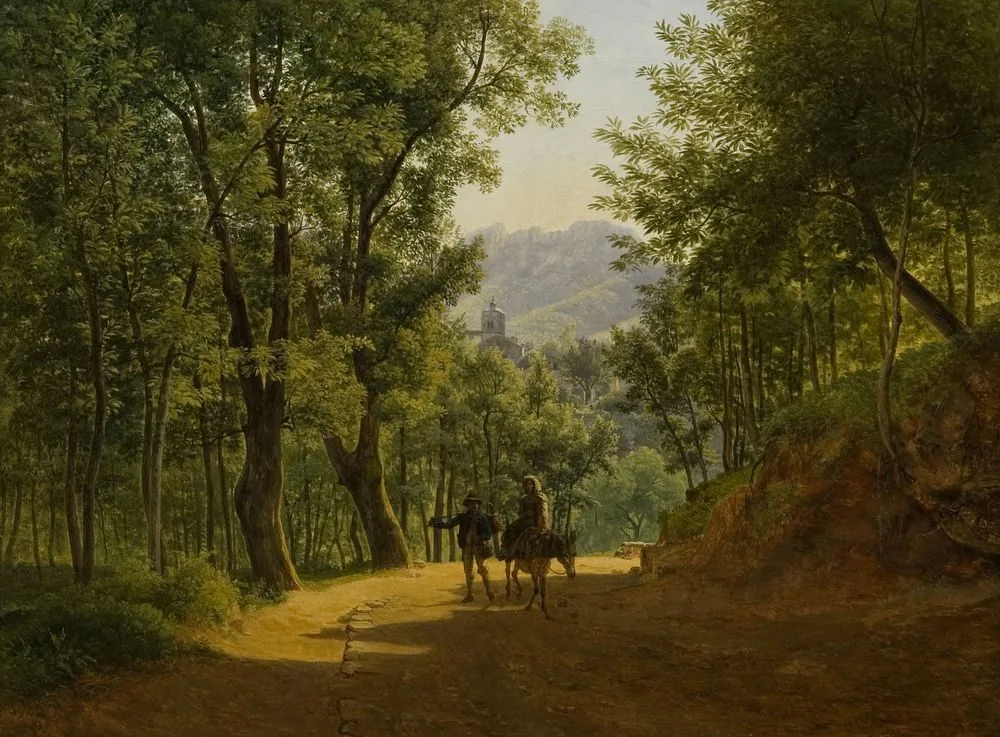
Written 1834, in the middle of the excavations
Pompeii had been dug for the best part of a century, and by the 1830s the finds were arriving fast enough to be news. Bulwer-Lytton wrote the novel in Naples, going out to the site, and it did more than any archaeological report to fix what the nineteenth century pictured when it thought of the ancient world.
It is also why the disaster novel exists as a form: ordinary lives, a catastrophe the reader knows is coming and the characters do not, and a countdown. Every film that has used that structure since is working from a shape this book cut.
On screen
2Film and television, earliest first.
- 1909 The Last Days of Pompeii Luigi Maggi
- 1959 The Last Days of Pompeii Mario Bonnard
On stage
1Opera, musical theatre and ballet made from it.
- — Jone Errico Petrella
Versions are listed where they are documented. A century of stage productions and most broadcasts were never catalogued at all, so this is what can be shown rather than everything that was ever made.