
The Last Days of Pompeii
by Edward Bulwer-Lytton 1803–1873
The book, and the century it came out of.
Pompeii in the last week of August, AD 79: a Greek, an Egyptian priest of Isis, a blind flower-seller who alone knows the streets in the dark. Bulwer-Lytton wrote it after seeing Bryullov’s enormous canvas in Milan, and the excavations gave him his set — the amphitheatre, the House of the Tragic Poet, the sentry at his post. It made Pompeii a Victorian obsession. Illustrated with 34 full-page plates — paintings by Rebell, Thøming and Brascassat among them.
‘HO, Diomed, well met! Do you sup with Glaucus tonight?’
The Last Days of Pompeii, by Edward Bulwer-Lytton, complete and unabridged. Spelling and punctuation follow present-day American usage; the sentences, the paragraphs and the voice are the author’s, word for word.
It was written in another era and may carry attitudes a reader today will find dated. They are kept for the sake of the work and do not reflect the views of this house.
- Series
- Adventure & the Sea
- Format
- Ebook
- Extent
- about 456 pages
- Reading time
- about 9 hours
- Illustrations
- Full-page plates, credited
- Text
- Complete, unabridged
- Language
- en
- This edition
- 2026
- ISBN
- 9785486709357
34 paintings are bound into this edition
Six of them are shown here, taken from the volume itself. Each is reproduced full page and named with its painter and year.
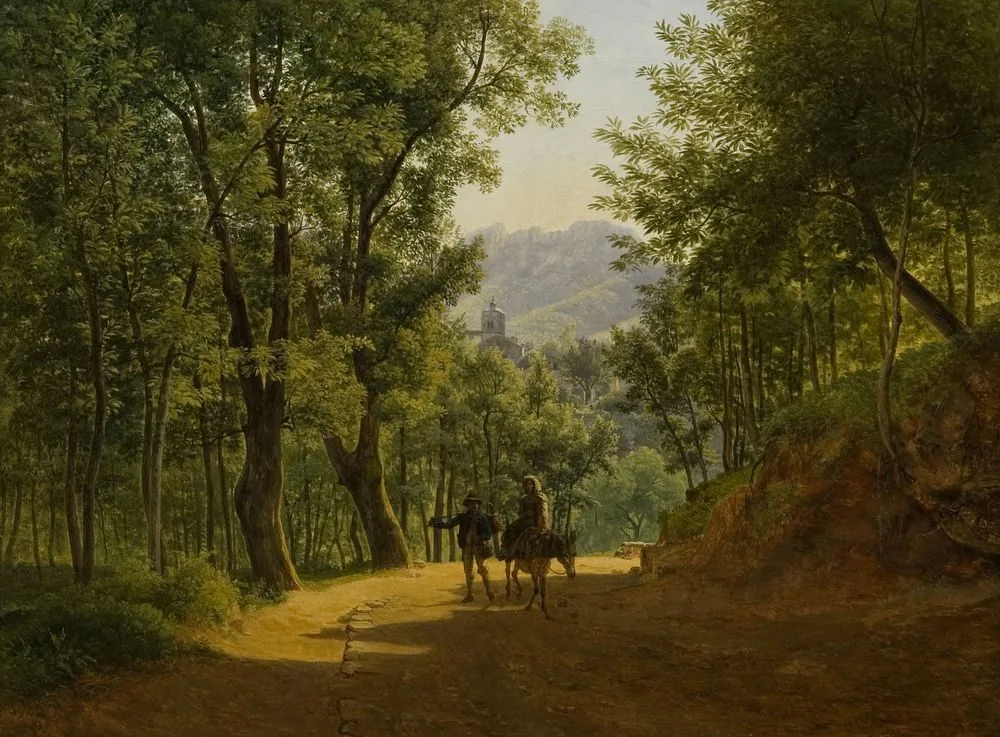
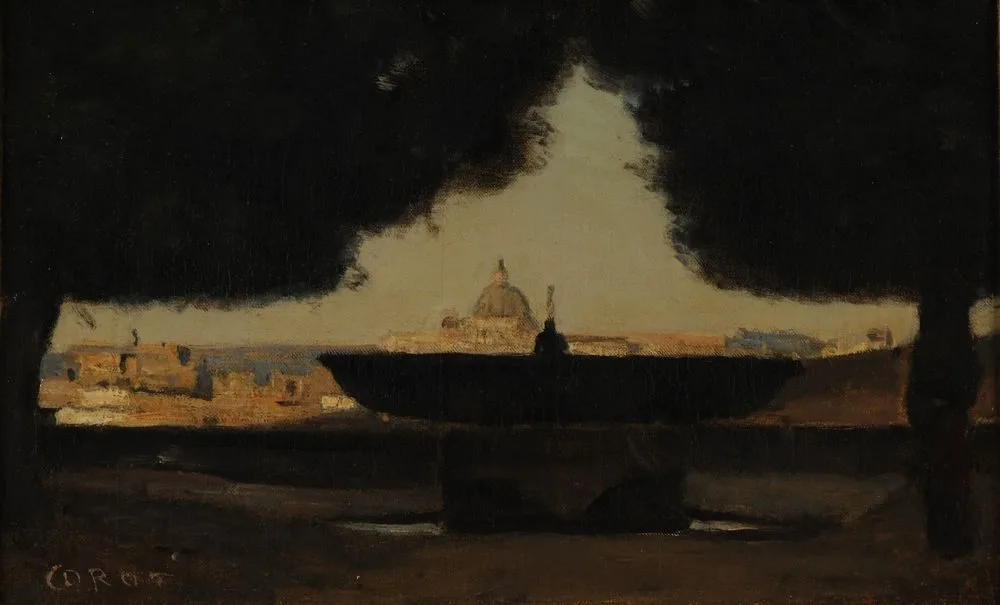
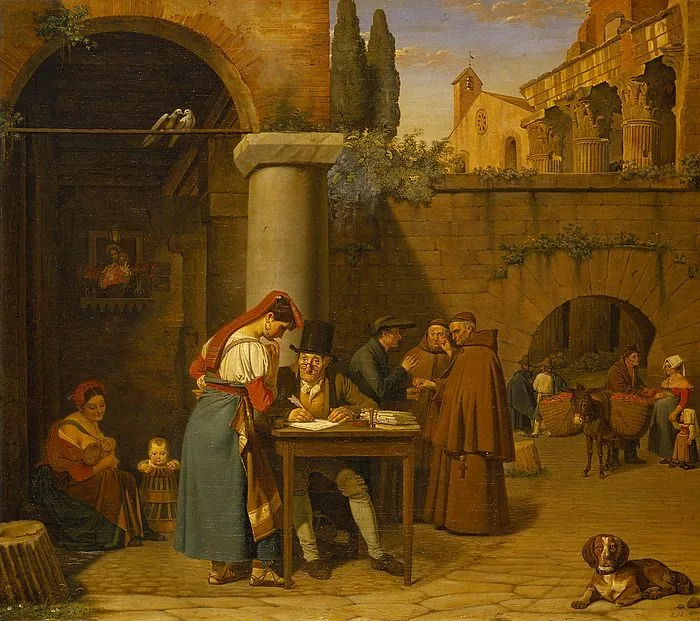
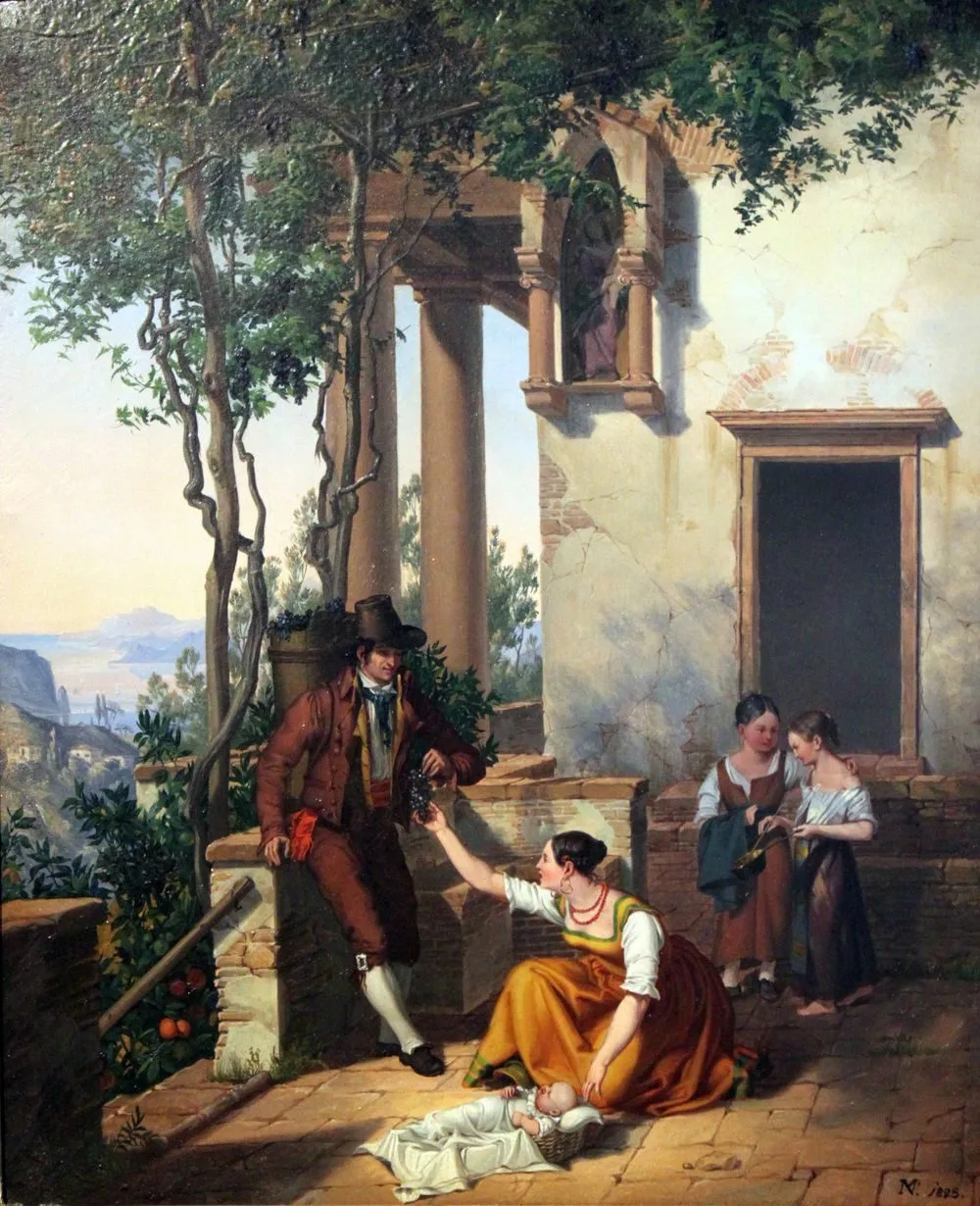
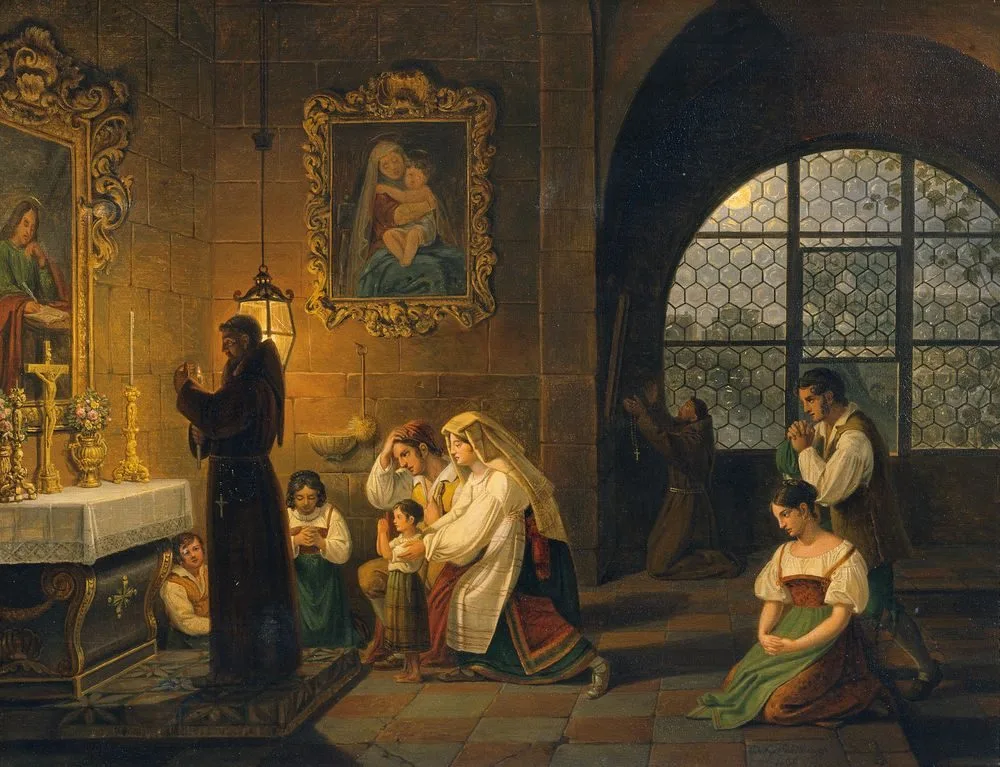
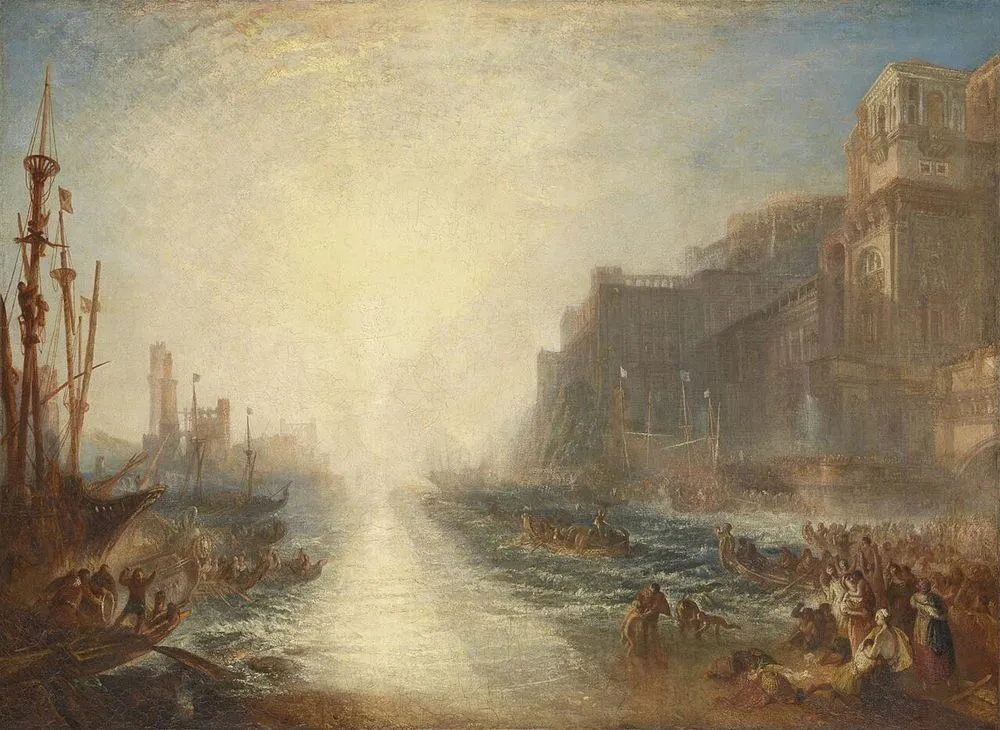
Written 1834, in the middle of the excavations
Pompeii had been dug for the best part of a century, and by the 1830s the finds were arriving fast enough to be news. Bulwer-Lytton wrote the novel in Naples, going out to the site, and it did more than any archaeological report to fix what the nineteenth century pictured when it thought of the ancient world.
It is also why the disaster novel exists as a form: ordinary lives, a catastrophe the reader knows is coming and the characters do not, and a countdown. Every film that has used that structure since is working from a shape this book cut.
This book in culture: 3 versions
Most people meet a book like this one on a screen first. Here is what was made of it — and none of these is the book.
The whole afterlife of The Last Days of Pompeii — screen, stage and beyond →
- 1909 The Last Days of Pompeii Luigi Maggi short film
- 1959 The Last Days of Pompeii Mario Bonnard
- — Jone Errico Petrella dramatico-musical work
A page from this edition
Not a mock-up: this page is taken from the finished volume. The ornament above the chapter belongs to its shelf and to no other, the opening letter is set as a drop capital, and the plate below carries the name of the painter and the year.


Both photographed from the finished volume.
The Last Days of Pompeii, first published 1834, issued in this edition by Aeneas Press in 2026 on the Adventure & the Sea shelf. Newly set, with the ornament of its series above each chapter and a drop capital on the opening page. Illustrated with full-page plates, each named with its painter.
Published as an ebook and not issued in print by this house; it carries one ISBN, 9785486709357, and is supplied worldwide. This edition — its setting, its ornament, its cover art, and the selection and attribution of its plates — © 2026 Aeneas Press.
Questions readers ask
- Is this the whole of The Last Days of Pompeii?
- Yes — complete and unabridged. Nothing is cut, condensed or paraphrased. This is the book, not a summary of it.
- What exactly did you change?
- The spelling and the punctuation follow present-day American usage. Edward Bulwer-Lytton's sentences are untouched — same words, same order, same rhythm.
- Are the pictures really in the book?
- Yes. The edition carries full-page plates bound into the text, each one named with its painter and the year it was made. Six of them are shown on this page.
- How long is it?
- About 456 pages, which is roughly about 9 hours of reading.
- What do I actually get?
- An illustrated ebook with its own ISBN, sold worldwide. One file, yours to keep, readable on any device.


