
The Phantom of the Opera
by Gaston Leroux 1868–1927
The book, and the century it came out of.
Beneath the Paris Opera lie five cellars, an underground lake, and a tenant whom the management pays not to think about. Leroux was a crime reporter first, and he built the novel as an investigation: witness statements, an inquest tone, and real machinery of the Palais Garnier, which does have a lake. The result is less a horror story than the strangest love triangle in French fiction. Illustrated with 56 full-page plates — paintings by De Nittis, Manet and Bernard among them.
IN WHICH THE AUTHOR OF THIS SINGULAR WORK INFORMS THE READER HOW HE ACQUIRED THE CERTAINTY THAT THE OPERA GHOST REALLY…
The Phantom of the Opera, by Gaston Leroux, complete and unabridged. Spelling and punctuation follow present-day American usage; the sentences, the paragraphs and the voice are the author’s, word for word.
It was written in another era and may carry attitudes a reader today will find dated. They are kept for the sake of the work and do not reflect the views of this house.
- Series
- Gothic & Horror
- Format
- Ebook
- Extent
- about 256 pages
- Reading time
- about 5 hours
- Illustrations
- Full-page plates, credited
- Text
- Complete, unabridged
- Language
- en
- This edition
- 2026
- ISBN
- 9785486043345
56 paintings are bound into this edition
Six of them are shown here, taken from the volume itself. Each is reproduced full page and named with its painter and year.
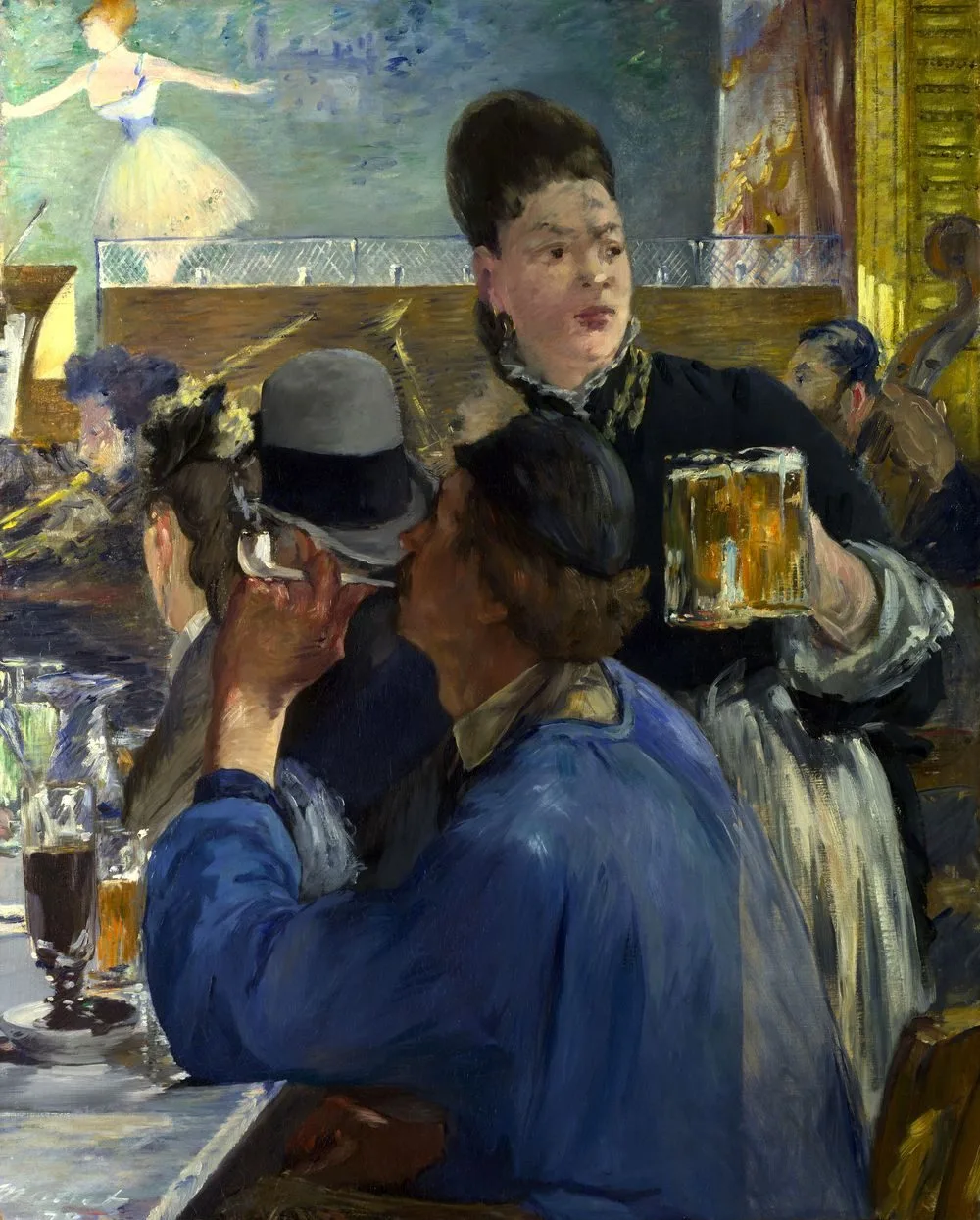
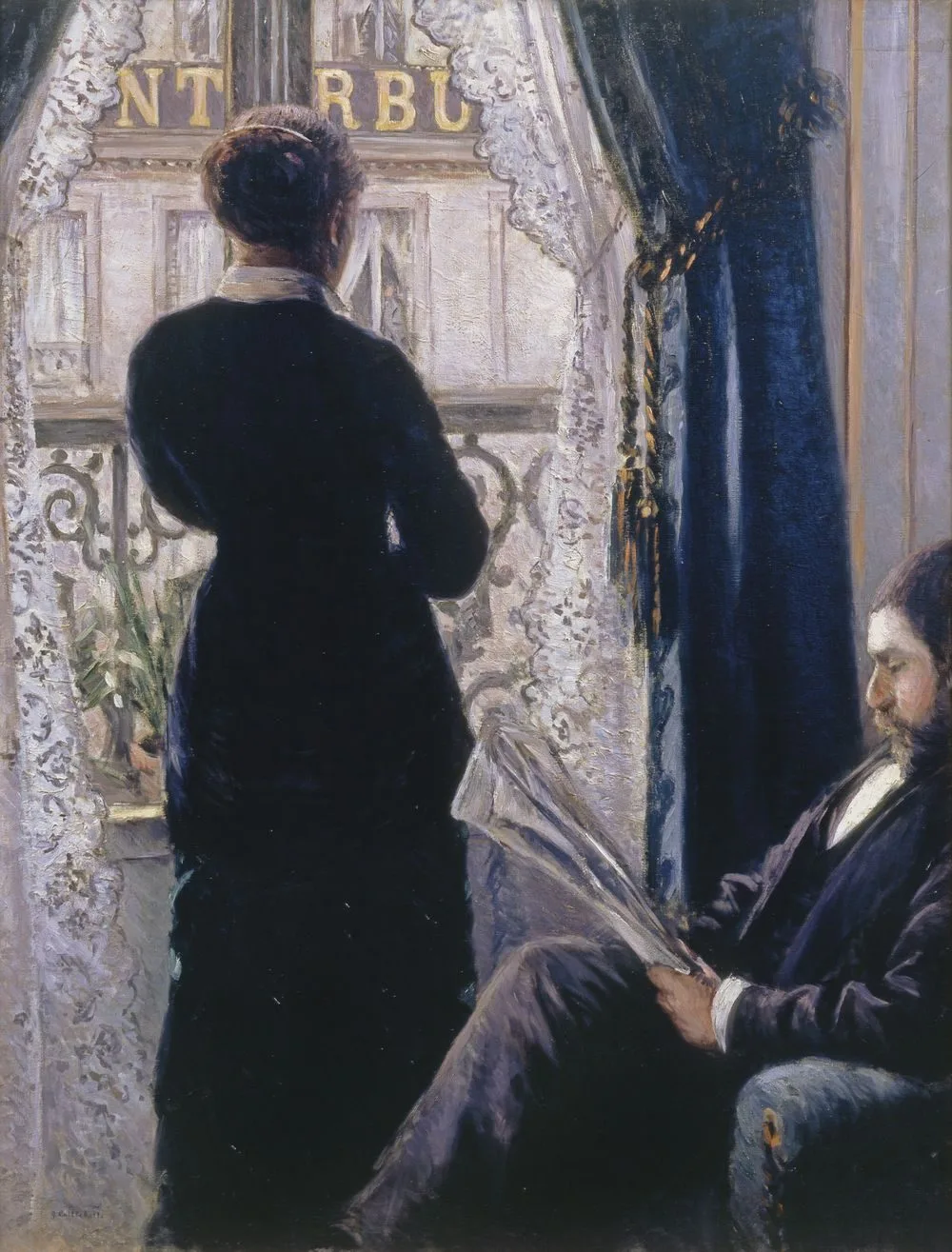
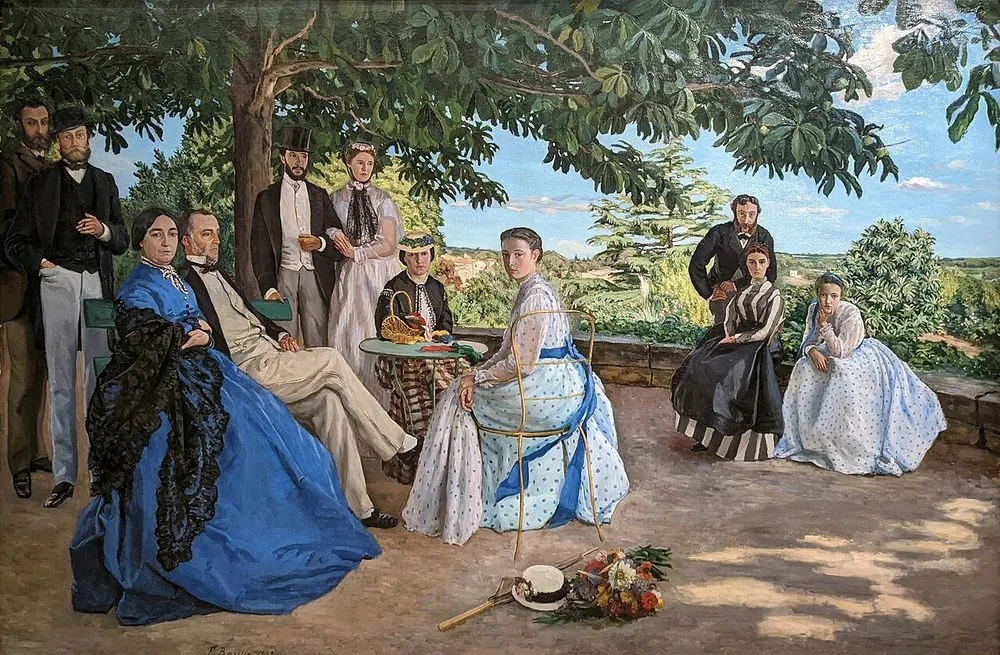
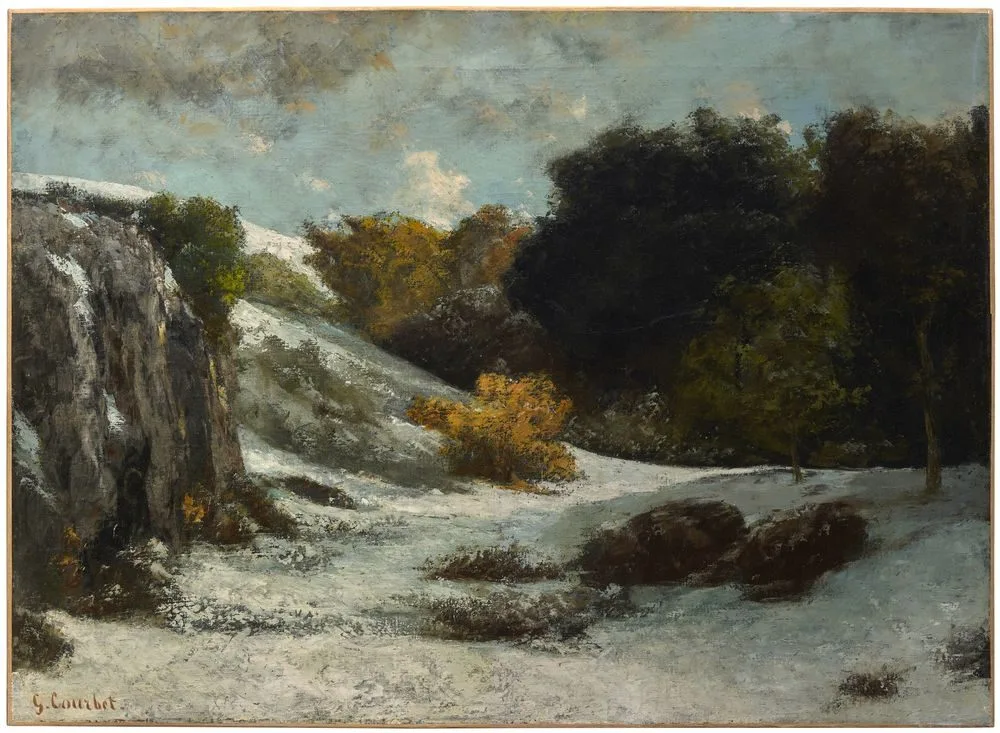
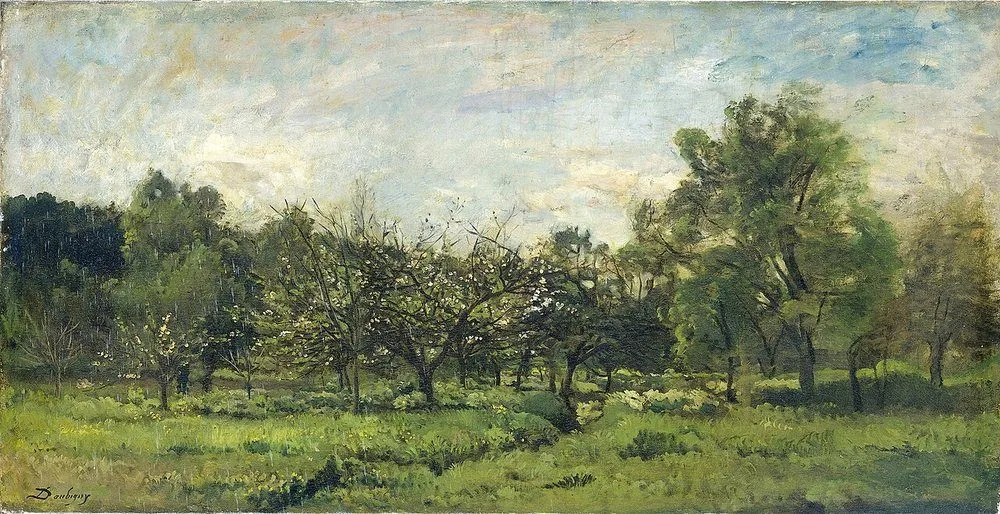
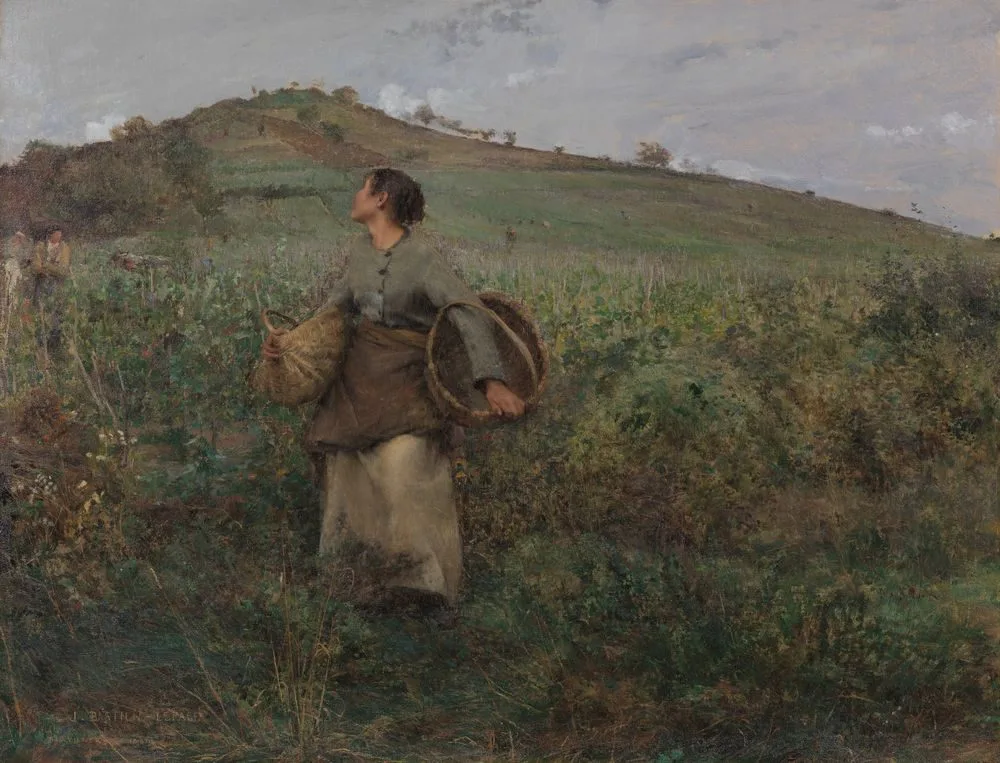
Paris, 1909 — and the opera house really does have a lake
The Palais Garnier was built over ground so waterlogged that the foundations enclose a reservoir; the fire brigade trained in it. In 1896 one of the counterweights of the great chandelier fell into the auditorium and killed a woman. Leroux, a crime reporter, put both facts into his novel and let the reader assume he had invented them.
He wrote it as a serial for a newspaper, in the manner of a court report — depositions, testimony, a narrator insisting on documents. That is the joke of the book, and most adaptations replace it with a love story.
This book in culture: 18 versions
Most people meet a book like this one on a screen first. Here are 8 of them, the earliest and the most recent among them — and none of them is the book.
The whole afterlife of The Phantom of the Opera — screen, stage and beyond →
- 1916 The Phantom of the Opera Ernst Matray
- 1937 Song at Midnight Ma-Xu Weibang
- 1974 The Phantom of Hollywood Gene Levitt TV film
- 1989 The Phantom of the Opera Dwight H. Little
- 1998 The Phantom of the Opera Dario Argento
- 2004 The Phantom of the Opera Q295207
- — Phantom of the Opera Ken Hill dramatico-musical work
- — The Phantom of the Opera radio drama
A page from this edition
Not a mock-up: this page is taken from the finished volume. The ornament above the chapter belongs to its shelf and to no other, the opening letter is set as a drop capital, and the plate below carries the name of the painter and the year.


Both photographed from the finished volume.
The Phantom of the Opera, first published 1910, issued in this edition by Aeneas Press in 2026 on the Gothic & Horror shelf. Newly set, with the ornament of its series above each chapter and a drop capital on the opening page. Illustrated with full-page plates, each named with its painter.
Published as an ebook and not issued in print by this house; it carries one ISBN, 9785486043345, and is supplied worldwide. This edition — its setting, its ornament, its cover art, and the selection and attribution of its plates — © 2026 Aeneas Press.
Questions readers ask
- Is this the whole of The Phantom of the Opera?
- Yes — complete and unabridged. Nothing is cut, condensed or paraphrased. This is the book, not a summary of it.
- What exactly did you change?
- The spelling and the punctuation follow present-day American usage. Gaston Leroux's sentences are untouched — same words, same order, same rhythm.
- Are the pictures really in the book?
- Yes. The edition carries full-page plates bound into the text, each one named with its painter and the year it was made. Six of them are shown on this page.
- How long is it?
- About 256 pages, which is roughly about 5 hours of reading.
- What do I actually get?
- An illustrated ebook with its own ISBN, sold worldwide. One file, yours to keep, readable on any device.


